 Save to Pinterest
 My first cottage cheese flatbread was born from a lazy Tuesday when I couldn't decide between yogurt and fresh cheese for a quick bread experiment. I had both sitting in the fridge, so I threw them together with flour and baking powder, expecting disaster. What emerged from the pan was something tender and subtly tangy, with a chew that made me wonder why I'd never thought of this before. Now they're the first thing I make when someone asks for homemade bread without the fuss.
I made these for a dinner party where someone casually mentioned they couldn't eat regular bread, and instead of panicking, I realized these flatbreads were perfect—filled, yet not heavy, with just enough tang to feel special. Watching them disappear faster than I could make them told me everything I needed to know.
Ingredients
- Plain flour (200g): Use all-purpose flour; it gives you structure without being heavy, and the cottage cheese and yogurt ensure tenderness even without fat.
- Greek yogurt (120g): Don't use non-fat versions—the creaminess matters, and it hydrates the dough while adding subtle tang.
- Cottage cheese (100g): The magic ingredient that keeps these impossibly tender; blend it slightly if you prefer a smoother dough, or leave it chunky for a more rustic texture.
- Baking powder (1/2 tsp): Just enough to help them puff slightly and cook through evenly without making them cake-like.
- Fine sea salt (1/2 tsp): Use fine rather than coarse so it distributes evenly through the small batch of dough.
- Olive oil or melted butter (2 tbsp): For cooking; butter adds richness, oil keeps them lighter—choose based on what you're serving with them.
Tired of Takeout? 🥡
Get 10 meals you can make faster than delivery arrives. Seriously.
One email. No spam. Unsubscribe anytime.
Instructions
- Build the base:
- Whisk flour, baking powder, and salt in a large bowl so the leavening is distributed evenly before the wet ingredients arrive. This prevents pockets of baking powder that might taste bitter.
- Bring it together:
- Spoon the yogurt and cottage cheese directly into the flour mixture, then use your hands to combine until you have a shaggy dough. It should look rough and a bit sticky—that's exactly right.
- Gentle kneading:
- Knead on a lightly floured surface for 2–3 minutes until the dough feels smooth and holds together without being overly stiff. If it's sticking to your hands, dust lightly with flour; if it feels dry, you've added too much flour—resist the urge to keep adding.
- Portion and shape:
- Divide the dough into 6 equal pieces and roll each into a tight ball to build strength, then flatten each ball into a round about 5–6mm thick. Dust generously with flour between rolls to prevent sticking.
- Pan preparation:
- Heat your skillet over medium heat and brush it lightly with oil or butter—too much and they'll be slick, too little and they'll stick. You want just enough that they slide a little but cook with golden spots.
- Cook with care:
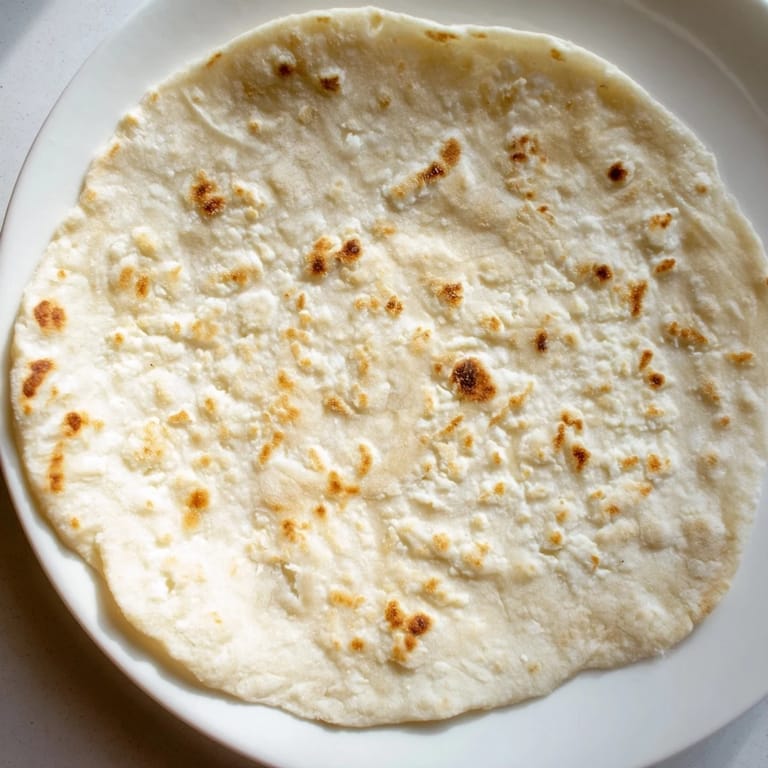
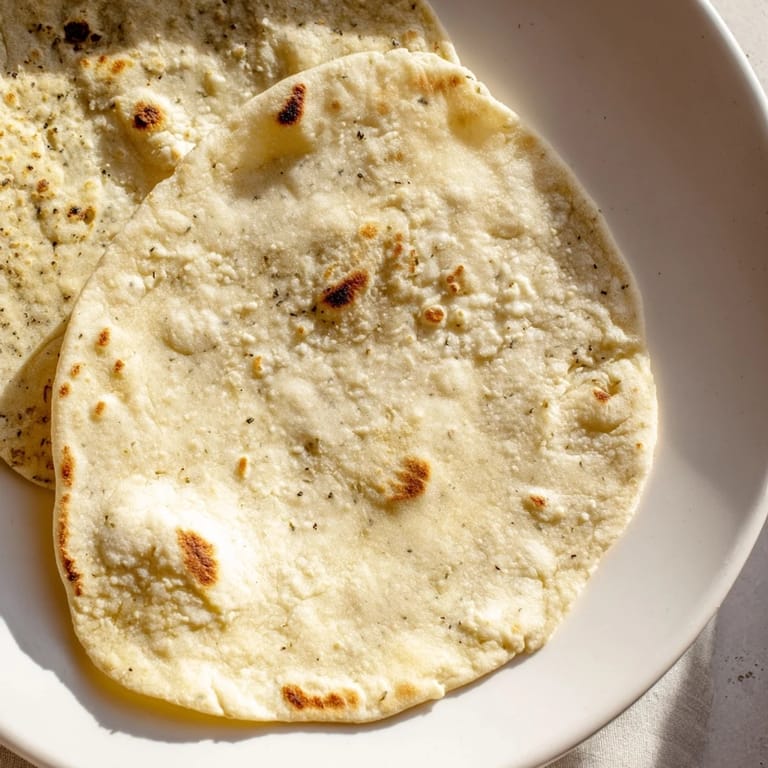
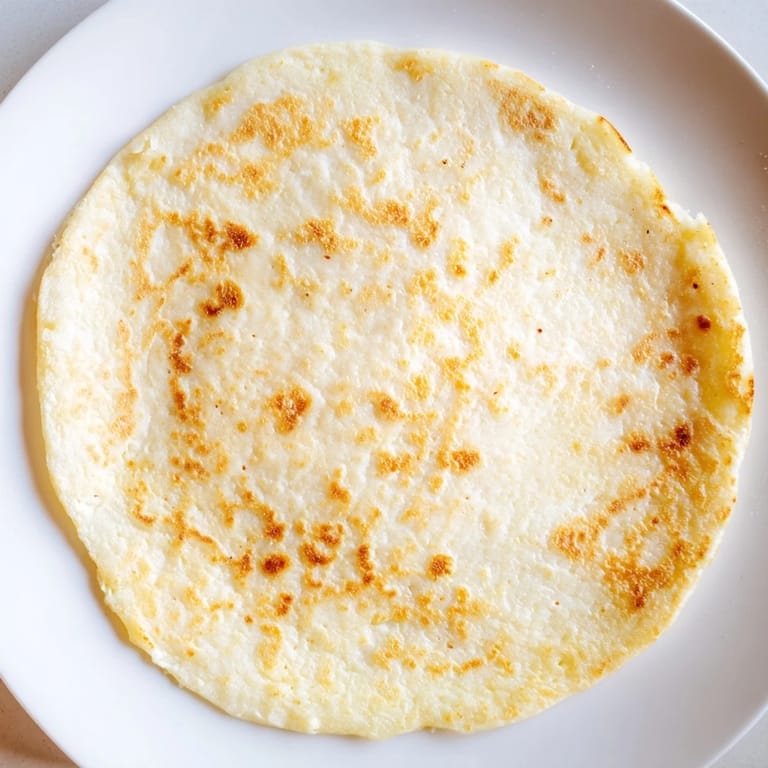
- Place one or two flatbreads in the hot pan and cook for 2–3 minutes per side until you see spots of deep golden brown and the bread feels firm when you press it. Listen for a gentle sizzle—if it's violent, your heat is too high.
- Keep them warm:
- Transfer finished flatbreads to a plate and cover with a clean, damp towel so they stay soft and pliable. The steam keeps them from drying out while you finish the batch.
 Save to Pinterest
 The moment that stuck with me was when my neighbor smelled these cooking through an open window and came over asking what I was making. Thirty minutes later, we were sitting on the kitchen steps eating warm flatbread with olive oil and sea salt, talking about nothing in particular. That's when I knew this recipe was worth keeping.
Flavor Variations
These flatbreads are a blank canvas, and the dough is stable enough to handle additions without falling apart. Chop fresh herbs like parsley, chives, or dill finely and fold them in during the initial mixing, or mince garlic and knead it in for a savory punch. I've also scattered nigella seeds or sesame seeds on top right before cooking, pressing them in gently so they stick. Each variation transforms the flatbread into something different yet equally delicious.
Storage and Reheating
These are best enjoyed warm from the pan, but they keep beautifully if stored properly. Let them cool completely, then stack them in an airtight container where they'll stay soft for 3–4 days. To reheat, place them in a dry skillet over medium heat for about 30 seconds per side until they warm through and regain some of that just-cooked texture.
Serving Suggestions
Flatbreads are endlessly versatile once they're cooked, which is part of their charm. Serve them alongside soups and stews as edible spoons, fill them with roasted vegetables and hummus for a quick lunch, or simply tear them apart and dip in labneh, zhug, or melted cheese. You can also brush them with garlic-infused oil while still warm, sprinkle with flaky salt, and eat them as is.
- Pair with spiced chickpeas and yogurt for a satisfying vegetarian meal.
- Brush with melted herb butter and serve alongside roasted vegetables.
- Use as wraps for grilled meats, greens, and fresh sauces.
 Save to Pinterest
 There's something grounding about pulling warm flatbread from a pan and knowing you made it from scratch in less than an hour. These have become my go-to bread for everything from quiet meals to feeding a crowd, and I think once you make them, they'll become yours too.
Recipe Questions & Answers
- → What type of flour is best for this flatbread?
Plain flour works well to create a tender texture, but you can experiment with whole wheat for a nuttier flavor. Adjust flour quantity if needed to achieve the right dough consistency.
- → Can I use a different cheese instead of cottage cheese?
Cottage cheese adds moisture and a subtle tang. Soft cheeses like ricotta can be a substitute, but firmer cheeses may alter the dough texture.
- → How should I cook the flatbreads for best results?
Cook them on medium heat in a nonstick or cast iron pan with a light brush of olive oil or butter, allowing golden spots to form and ensuring they cook through evenly.
- → Can herbs be added to the dough?
Yes, finely chopped herbs such as parsley, chives, or dill can be mixed into the dough to impart fresh flavors and extra aroma.
- → How do I store and reheat leftover flatbreads?
Store in an airtight container at room temperature for short term or freeze for longer. Reheat gently in a dry pan to preserve softness and flavor.