 Save to Pinterest
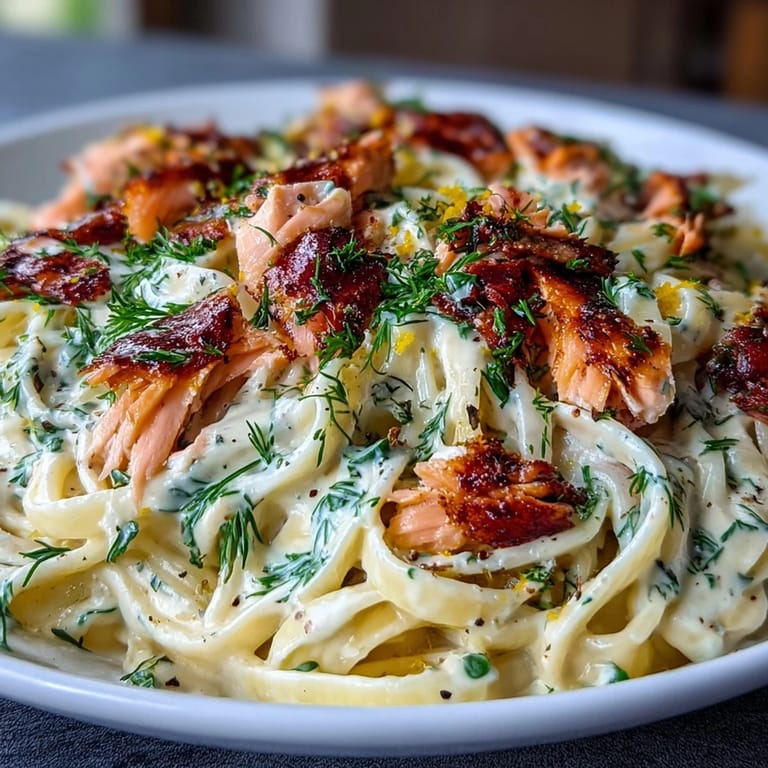
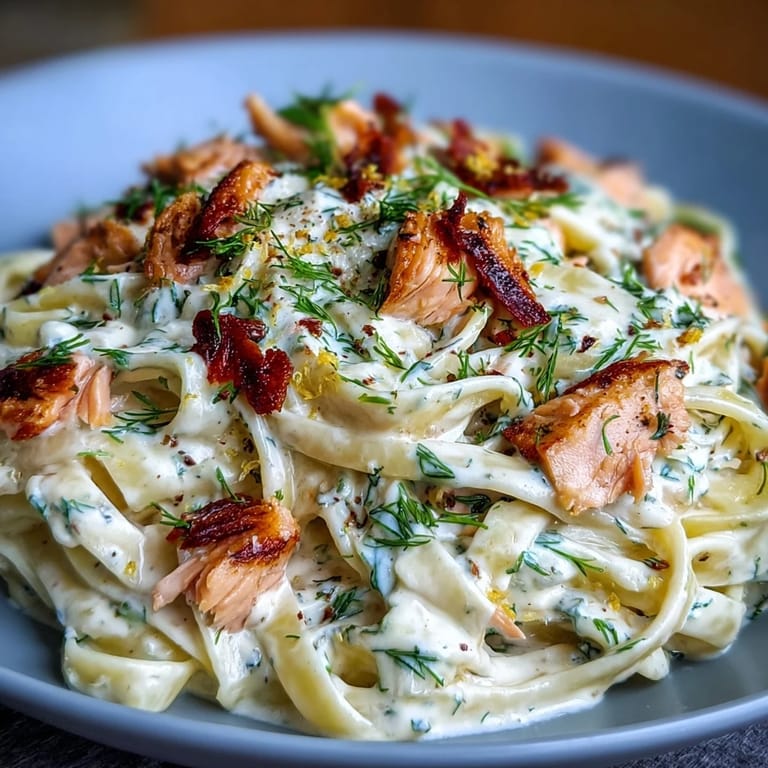
 There's something about the way hot-smoked salmon catches the light in a pan that made me fall for this pasta. My neighbor dropped off a box of smoked salmon one October afternoon, and I was standing in my kitchen wondering what to do with it when the obvious hit me—cream, lemon, a little heat. Twenty-five minutes later, I was eating the best weeknight dinner I'd made in months, and honestly, I've barely cooked anything else since.
I made this for my sister the night she got that promotion she'd been chasing for two years. She walked in, smelled the butter and lemon in the air, and just exhaled like she'd been holding her breath all day. We ate it straight from the skillet passing it back and forth, and I remember thinking that some meals are just exactly what you need, at exactly the right moment.
Ingredients
- Dried fettuccine or spaghetti, 350 g (12 oz): Fettuccine holds onto the cream sauce better than thinner pasta, but spaghetti works if that's what you have—the key is cooking it to that sweet spot where it's tender but still has a tiny bit of resistance when you bite it.
- Salt, for pasta water: Don't skip this; it's your only chance to season the pasta itself, so make the water taste like the sea.
- Unsalted butter, 2 tbsp: This is where the sauce's silky foundation comes from, so use real butter, not a substitute, and let it actually foam before you add the aromatics.
- Garlic, 2 cloves, minced: Mince it finely so it dissolves into the cream rather than leaving sharp little chunks throughout.
- Shallot, 1 small, finely chopped: Shallots are sweeter and more delicate than onions, and they disappear into the background in a way that just works here.
- Heavy cream, 200 ml (3/4 cup + 2 tbsp): This is non-negotiable for the richness, though you can lighten it later if you want; cold cream straight from the fridge will thicken faster, so if yours is room temperature, simmer it a touch longer.
- Dijon mustard, 1 tsp: A tiny amount adds depth and helps emulsify the sauce so it stays silky and doesn't break.
- Lemon zest and juice, from 1 lemon: The acid brightens everything and keeps the richness from coating your mouth; use a microplane for the zest so you get the oils without the bitter white pith.
- Reserved pasta cooking water, 100 ml (scant 1/2 cup): This starchy liquid is magic for loosening and binding the sauce, and it's the reason this stays glossy instead of breaking into separated puddles.
- Freshly ground black pepper, to taste: Grind it fresh right into the pan; pre-ground pepper tastes like dust by comparison.
- Hot-smoked salmon, 150 g (5 oz), flaked: The heat in hot-smoked salmon means it's already cooked, so you're just warming it through—if you use cold-smoked lox instead, it'll taste entirely different and the texture will be off, so stick with hot-smoked.
- Grated Parmesan cheese, 30 g (1/4 cup): Freshly grated makes a difference; the pre-grated stuff has anti-caking agents that keep it from melting as smoothly into the sauce.
- Fresh dill or flat-leaf parsley, 2 tbsp chopped: Dill is my preference because it echoes the salmon, but parsley works if dill isn't in your house; add half during cooking and sprinkle the rest at the end so you get both the cooked herb flavor and the bright fresh finish.
Tired of Takeout? 🥡
Get 10 meals you can make faster than delivery arrives. Seriously.
One email. No spam. Unsubscribe anytime.
Instructions
- Get your water boiling and your ingredients prepped:
- Fill a large pot with water, salt it generously so it tastes like the sea, and bring it to a rolling boil while you mince your garlic and chop your shallot. By the time the water's ready, everything else will be sitting there waiting, which is the feeling you want when you start cooking.
- Cook the pasta until it's just tender:
- Drop the pasta into the boiling water and stir it a few times so nothing sticks together. Start checking it a minute or two before the package says it should be done—you want it al dente, which means it has a tiny bit of bite in the very center, not soft all the way through. When it's almost there, scoop out about 100 ml of the cooking water and set it aside before you drain the pasta.
- Start building the sauce with butter, garlic, and shallot:
- In a large skillet over medium heat, melt the butter until it foams and smells a little nutty. Add your minced garlic and chopped shallot, and let them cook gently for 2 to 3 minutes, stirring occasionally—you want them soft and fragrant but not brown, which would make them bitter.
- Pour in the cream and season the sauce:
- Stir in the heavy cream, Dijon mustard, lemon zest, and lemon juice, and let it simmer gently for 2 to 3 minutes. The mustard will dissolve and the cream will thicken slightly, and the whole thing will smell like something you'd order at a restaurant.
- Fold in the salmon and fresh herbs:
- Add the flaked hot-smoked salmon and half of your chopped dill or parsley, stirring gently so the salmon breaks into smaller pieces and mingles with the cream. This only takes a minute or two—the salmon's already cooked, so you're just warming it through.
- Bring the pasta and sauce together:
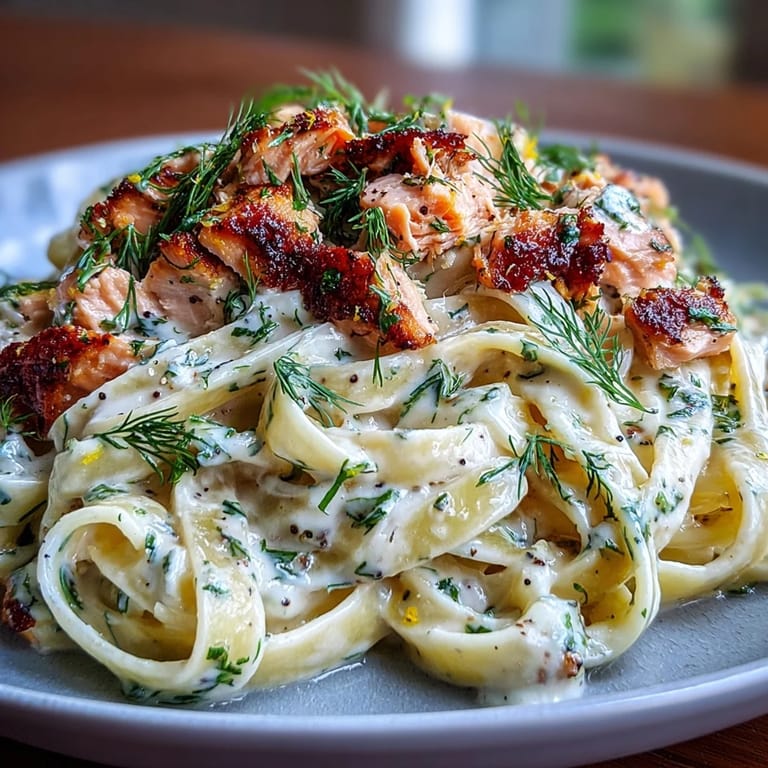
- Toss the drained pasta into the skillet with the sauce, adding a splash of that reserved pasta water as you go. The starchy water will help the sauce cling to the pasta and keep it silky instead of separating. Sprinkle in the grated Parmesan, toss everything until the pasta is evenly coated, and taste it—this is when you adjust the seasoning with black pepper and a tiny pinch more salt if it needs it. Serve immediately, topped with the remaining fresh herbs and extra lemon zest if you want.
 Save to Pinterest
 What surprised me most about this dish is how forgiving it turned out to be. My friend Emily overcooked the pasta once when she made it, and the sauce was still good enough that nobody really cared. It's not fussy, it doesn't demand perfection, but when you do nail all the little details—the lemon zest, the timing, the flakes of salmon—it feels like you've done something special.
Why This Works for Weeknights
The entire thing lives in that sweet 25-minute window where you could actually make dinner on a Tuesday after work. You're not boning anything, you're not waiting for dough to rise, you're not watching something in the oven. Everything happens on the stovetop in front of you, which means you can taste as you go and adjust if something feels off. It's the kind of cooking that builds confidence instead of anxiety.
The Salmon Question
Hot-smoked salmon is the non-negotiable here because it's already cooked through and stays firm when you warm it gently. If you use cold-smoked salmon (the kind that's basically lox), it'll dissolve into the sauce and disappear, which is a completely different dish. I learned this the hard way by grabbing the wrong package at the market and wondering why my dinner looked like a salmon puddle. Now I read the label three times, and you should too.
Making It Your Own
This is where things get fun, because once you understand how the sauce works, you can play with it. Some nights I add a splash of dry white wine after the shallot sautés, which deepens the flavor in a way that feels almost decadent for a Tuesday. Other times I use half cream and half milk if I'm trying to eat lighter, and it still tastes good—different, but good. You could substitute hot-smoked trout if salmon isn't what you have, or even add some sautéed mushrooms or a handful of spinach if you want more vegetables.
- A tiny splash of white wine after sautéing the shallot adds a sophistication that takes almost no extra time.
- If you're using cold pasta water instead of hot, whisk it in slowly so the sauce doesn't seize up or break.
- Taste the sauce before you add the pasta—this is your last chance to balance the salt, lemon, and seasoning the way you like it.
 Save to Pinterest
 This pasta has become one of those dishes I make when I want to prove to myself that I can still cook something delicious without overthinking it. It's become comfort food for the weeknight version of me.
Recipe Questions & Answers
- → Can I use fresh salmon instead of hot-smoked?
While you can substitute fresh salmon, hot-smoked provides intense flavor and a tender, flaky texture that doesn't require cooking. If using fresh, pan-sear it before adding to the sauce.
- → What pasta shapes work best?
Long pasta like fettuccine, spaghetti, or linguine creates beautiful coating with the creamy sauce. Short shapes such as penne or fusilli also work well if you prefer something different.
- → How can I make this lighter?
Substitute half the heavy cream with whole milk, or use half-and-half. The sauce will be slightly less rich but still delicious and silky.
- → Can I prepare this ahead of time?
The sauce base can be made a day in advance and refrigerated. When ready to serve, gently reheat while tossing with freshly cooked pasta and a splash of pasta water to restore consistency.
- → What wine pairs well with this dish?
Crisp white wines like Sauvignon Blanc or Pinot Grigio complement the rich cream and smoky salmon beautifully. The acidity cuts through the richness while enhancing the citrus notes.
- → Can I freeze leftovers?
Cream-based sauces can separate when frozen and reheated. For best results, enjoy immediately or store in the refrigerator for up to 2 days.