 Save to Pinterest
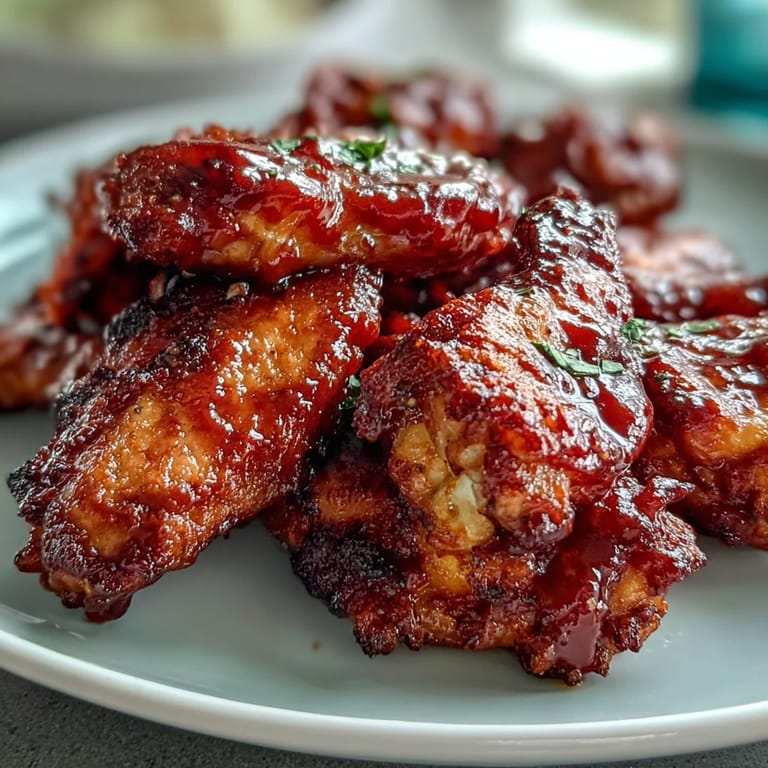
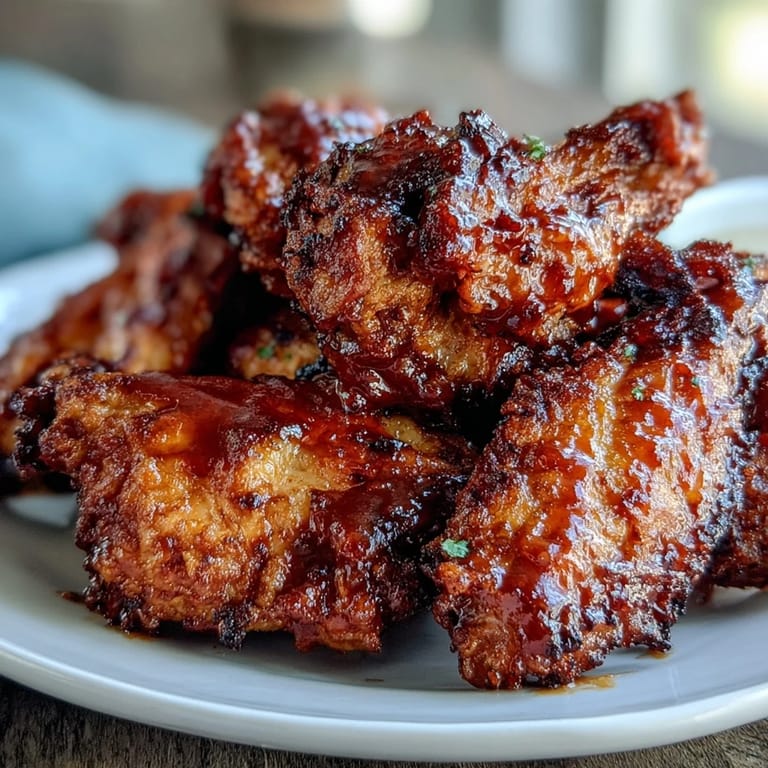
 The smoke alarm went off twice before I learned to manage my oil temperature properly. My first batch of wings came out pale and greasy, the second burned to a bitter crisp. By the third attempt, I finally understood that patience and a good thermometer make all the difference. Now these wings disappear within minutes every time I make them. The crunch alone tells you everything you need to know.
I started making these for Sunday football games, and now friends text me on Thursday to confirm I'm bringing wings. One time I showed up with just two sauces instead of three and you'd think I'd committed a crime. Everyone has their favorite and they're oddly defensive about it. The Buffalo fans and the Thai sweet chili people have formed rival camps in my living room.
Ingredients
- Chicken wings: Look for wings that are already separated into drumettes and flats to save yourself the awkward joint-cutting step, though whole wings are usually cheaper if you don't mind the knife work.
- Buttermilk: This is the secret to tender, flavorful meat, its acidity breaks down the proteins while adding moisture that survives the high heat of frying.
- All-purpose flour and cornstarch: The combination creates a lighter, crispier coating than flour alone, the cornstarch is what gives you that audible crunch.
- Baking powder: A tiny amount makes the coating puff up and crisp beautifully, but make sure it's baking powder, not baking soda.
- Sunflower or peanut oil: High smoke point oils are essential here, vegetable oil works too but peanut oil adds a subtle richness that's worth it.
- Hot sauce and butter: The classic Buffalo combination, the butter mellows the heat and helps the sauce cling to the wings.
- Thai sweet chili sauce: Buy a good quality brand, the cheap stuff is just corn syrup and food coloring.
- BBQ sauce: Use whatever you love, I keep three different bottles and let people choose their adventure.
Tired of Takeout? 🥡
Get 10 meals you can make faster than delivery arrives. Seriously.
One email. No spam. Unsubscribe anytime.
Instructions
- Marinate the Wings:
- Toss the wings in buttermilk and all the seasonings, making sure every piece is coated. Refrigerate for at least 30 minutes, though I usually do this the night before for maximum flavor.
- Prepare the Coating:
- Whisk together the flour, cornstarch, and baking powder in a wide, shallow bowl. This dry mixture can sit while the wings marinate.
- Coat the Wings:
- Pull each wing from the buttermilk, let the excess drip back into the bowl, then press it into the flour mixture until completely covered. Let them rest on a rack for 10 minutes so the coating sets and won't fall off in the oil.
- Heat the Oil:
- Pour about 2 inches of oil into a heavy pot and heat it to exactly 175°C (350°F). Use a thermometer, guessing will ruin your day.
- Fry the Wings:
- Work in small batches, maybe 6 to 8 wings at a time depending on your pot size. Fry for 8 to 10 minutes, turning them occasionally, until they're deep golden and crispy.
- Make the Sauces:
- Whisk together your chosen sauce ingredients in separate bowls. The Buffalo sauce benefits from being slightly warm so the butter stays melted.
- Toss and Serve:
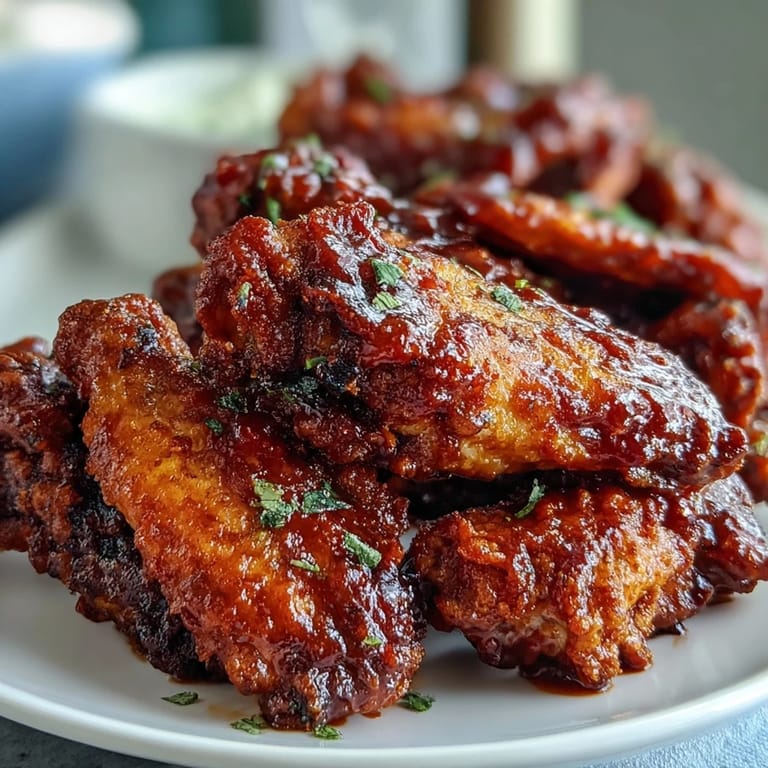
- Divide the hot wings and toss each portion in a different sauce, or leave them naked and serve the sauces on the side. Garnish with chives and serve immediately while they're still crackling.
 Save to Pinterest
 There was a birthday party where I made a double batch and ran out anyway. People were literally licking their fingers and looking around for more. One guest asked if I'd cater her wedding, which was flattering but also made me realize I'd created a monster. These wings have ruined restaurant wings for most of my friends.
Getting That Extra Crunch
The double-fry method is a game changer if you have the time and patience. Fry the wings once at a lower temperature (around 150°C or 300°F) for about 7 minutes, then let them cool completely on a rack. When you're ready to serve, fry them again at a higher temperature (190°C or 375°F) for 2 to 3 minutes. The first fry cooks the meat through, the second fry creates an impossibly crispy shell that shatters when you bite it. I only do this for special occasions because it's twice the work, but the results are undeniably superior.
Sauce Variations Worth Trying
Once you've mastered the three basic sauces, the world opens up. I've done honey garlic by mixing equal parts honey and butter with minced garlic and a splash of soy sauce. Lemon pepper is just melted butter, lemon zest, cracked black pepper, and a pinch of salt. Korean gochujang glaze involves gochujang paste, honey, rice vinegar, and sesame oil. A dry rub of smoked paprika, brown sugar, garlic powder, and a touch of coffee grounds is incredible if you want to skip the wet sauces entirely. Don't be afraid to experiment.
Serving and Storage Tips
Wings are best eaten immediately, but life happens. If you need to make them ahead, fry them completely, let them cool, and store them uncovered in the fridge. Reheat in a 200°C (400°F) oven for about 10 minutes to restore some of the crispiness. Never microwave them unless you enjoy sad, rubbery chicken. Leftover wings also make a surprisingly good addition to salads or grain bowls the next day, though they rarely last that long in my house.
- Serve with plenty of napkins, celery sticks, and a good creamy dip like ranch or blue cheese.
- If you're making these for a party, keep finished wings warm in a low oven (around 95°C or 200°F) on a wire rack.
- Cold beer, lemonade, or iced tea are your best beverage options, something refreshing to cut through the richness.
 Save to Pinterest
 These wings have become my signature dish without me ever intending it. Make them once and people will expect them forever. It's a delicious burden to bear.
Recipe Questions & Answers
- → How do I get the wings extra crispy?
Use the double-fry method: fry once at 150°C (300°F) for 7 minutes, let cool completely, then fry again at 190°C (375°F) for 2-3 minutes. The cornstarch and baking powder in the coating also contribute to maximum crispiness.
- → Can I bake these wings instead of frying?
Yes, arrange coated wings on a wire rack over a baking sheet and bake at 220°C (425°F) for 40-45 minutes, flipping halfway through. They won't be quite as crispy as fried, but still delicious.
- → What if I don't have buttermilk?
Make a substitute by mixing 1 cup of regular milk with 1 tablespoon of lemon juice or white vinegar. Let it sit for 5 minutes before using. This creates the same acidic tang that tenderizes the chicken.
- → How long can I marinate the wings?
Minimum 30 minutes for decent flavor, but overnight marination (up to 24 hours) yields the best results. The buttermilk breaks down proteins, making the meat incredibly tender while infusing flavor throughout.
- → Can I make these ahead for a party?
Fry the wings up to 2 hours ahead, keep warm in a 95°C (200°F) oven on a wire rack. Toss with sauce just before serving to maintain crispiness. Alternatively, fry completely, refrigerate, then reheat in a hot oven.
- → What oil is best for frying chicken wings?
Peanut oil and sunflower oil are ideal due to their high smoke points and neutral flavor. Vegetable or canola oil also work well. Avoid olive oil as it has a lower smoke point and can impart unwanted flavor.