 Save to Pinterest
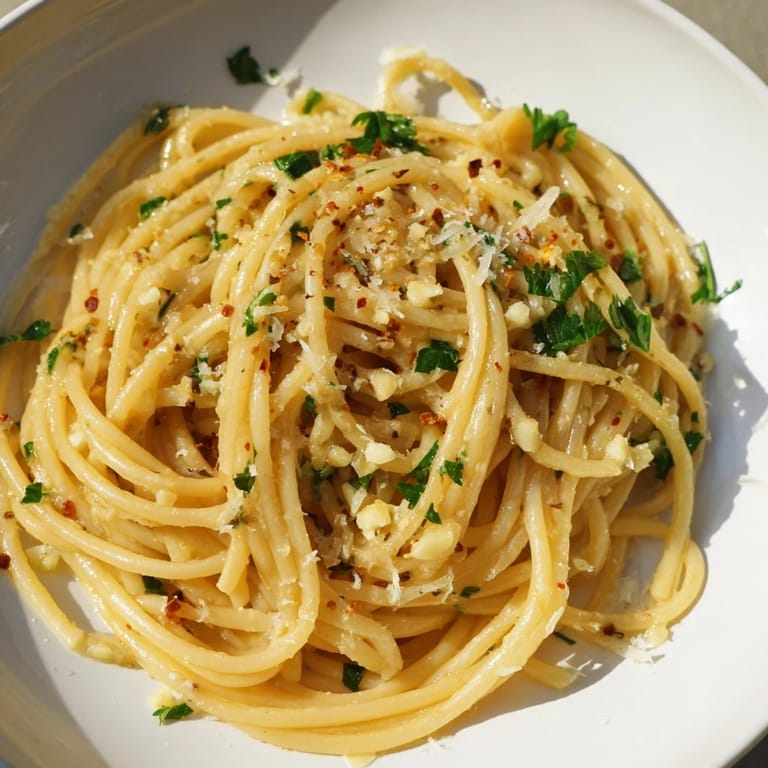
 There's something almost meditative about watching butter and garlic mingle in a hot pan, filling the kitchen with that unmistakable aroma that makes everyone pause what they're doing. I discovered this garlic butter linguine on a Tuesday night when I had nothing in the pantry but pasta, butter, and a handful of garlic cloves my neighbor had pressed into my hands. What emerged was so simple and so perfectly satisfying that it became my go-to when I need comfort without ceremony. The dish doesn't demand much from you, but it rewards attention with silky strands of pasta that seem to embrace every bit of golden, fragrant sauce.
I remember making this for my sister during a surprise visit, when she arrived hungry and I was caught off guard by the fridge's emptiness. I boiled the pasta while she sat on the kitchen counter telling me about her day, and by the time I'd toasted the garlic and tossed everything together, she was already leaning in to smell what was happening in that skillet. We ate standing up, forks straight from the pan, laughing about how the simplest meals often taste the best.
Ingredients
- Linguine, 400 g: Long, delicate strands that catch the sauce beautifully and cook in about ten minutes if you watch the clock.
- Unsalted butter, 80 g: Use good butter here because it's the backbone of the sauce, and cheap butter tastes thin and tired.
- Garlic cloves, 6 large, finely minced: The fresher the better, and take a moment to mince them by hand so you control the size and release the oils properly.
- Crushed red pepper flakes, 1/4 tsp (optional): Just a whisper if you want warmth without heat, or skip it entirely if you prefer pure garlic sweetness.
- Lemon zest, from 1 lemon (optional): This lifts the whole dish and adds brightness that makes people ask what secret ingredient you used.
- Sea salt, 1/2 tsp: Taste as you go because the pasta water and Parmesan add saltiness too.
- Freshly ground black pepper, 1/4 tsp: Grind it fresh, not from that tin that's been open since last summer.
- Fresh flat-leaf parsley, 30 g, finely chopped: This is your final flourish, the thing that makes it look intentional and taste alive.
- Parmesan cheese, 40 g, freshly grated (optional): If you're using it, grate it yourself and try not to eat half of it before it reaches the pasta.
- Lemon wedges, for serving: A squeeze of fresh juice at the table is always welcome.
Tired of Takeout? 🥡
Get 10 meals you can make faster than delivery arrives. Seriously.
One email. No spam. Unsubscribe anytime.
Instructions
- Bring the water to a rolling boil:
- Fill your large pot about three-quarters full with cold water, add a generous handful of salt so it tastes like the sea, and bring it to a boil you can hear from across the kitchen. This takes about eight minutes, and while you're waiting, mince your garlic and get everything else ready.
- Cook the pasta to al dente:
- Add the linguine and stir immediately so no strands stick together, then cook for the time the package suggests minus one minute. You want it tender but still with a tiny bit of resistance when you bite it, because it will soften more in the pan.
- Reserve pasta water and drain:
- Before you drain everything, fish out about half a cup of that starchy cooking water and set it aside in a small bowl or mug. This liquid is liquid gold for binding your sauce.
- Toast the garlic in butter:
- While the pasta cooks, melt your butter in a large skillet over medium heat until it stops foaming, then add the minced garlic and let it sizzle gently for just one or two minutes until it's fragrant but still pale. Watch it carefully because garlic burns faster than you'd think, and burnt garlic tastes bitter and wrong.
- Add heat and brightness:
- Stir in the red pepper flakes if you're using them, then the lemon zest if you have it, letting them warm through for a few seconds so their flavors bloom.
- Bring it all together:
- Add the drained linguine to the skillet and toss it gently with two forks or wooden spoons, coating every strand in that buttery, garlicky coating. Start adding your reserved pasta water a splash at a time, tossing as you go, until the sauce looks silky and coats the pasta rather than pooling at the bottom.
- Season and finish:
- Taste it and add salt and black pepper until it tastes like something you'd want to eat, then stir in your chopped parsley and half the Parmesan if you're using it. Toss everything one final time so the parsley is distributed and the cheese melts slightly into the warm pasta.
- Serve right now:
- Divide among bowls and top with the remaining Parmesan, a grind of black pepper, and those lemon wedges sitting ready on the side.
 Save to Pinterest
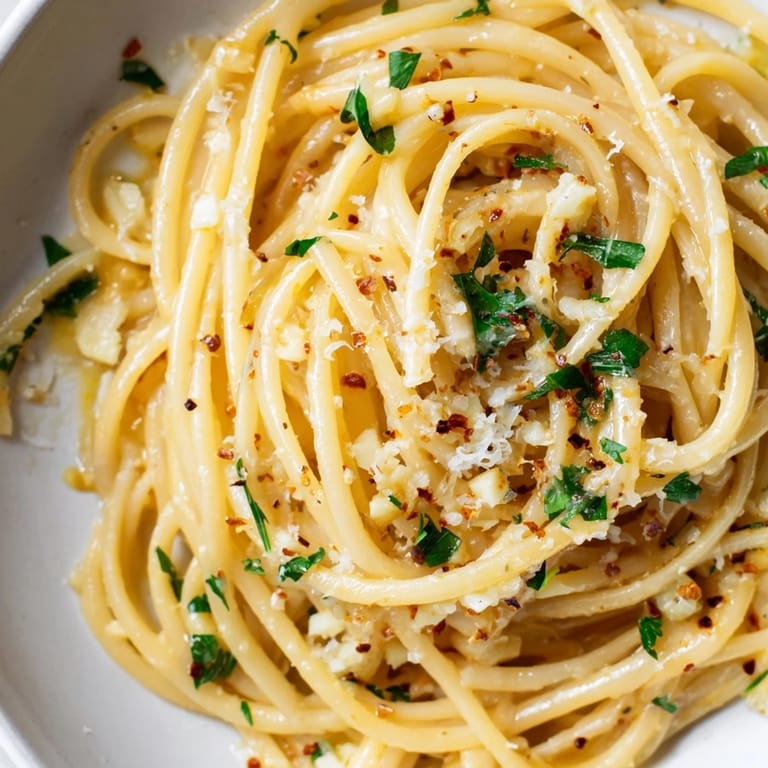
 This pasta became the thing I made when my oldest friend called to say they were having a rough week and needed to come over. There's something about its simplicity and warmth that feels like an embrace, the kind of meal that says I'm here and I care without needing to say anything at all.
Why Garlic and Butter Never Fail
I've learned over the years that some combinations are just meant to exist together, and garlic plus butter is one of those eternal partnerships. The heat softens the garlic into something sweet and mellow while the butter carries that flavor across every surface it touches. There's no complicated chemistry here, just two ingredients that have been dancing together in Italian kitchens for centuries, proving that you don't need a long ingredient list to make something that feels special.
Building Flavor Layers
Even though this dish is straightforward, there's a subtle architecture to how flavors build. The pasta water creates a bridge between the dry pasta and the butter sauce, the lemon zest adds a bright note that cuts through richness, and the red pepper flakes add a small heat that makes your tongue sit up and pay attention. None of these are required, but together they transform something basic into something you'd order at a restaurant if it were on the menu.
Making This Your Own
The beauty of this recipe is that it's a canvas waiting for your preferences and whatever you have on hand. I've made it with just butter and salt when I was in a minimalist mood, and I've loaded it with crispy breadcrumbs, toasted walnuts, roasted mushrooms, or even a handful of spinach that wilts into the warm pasta. The base is so solid that it welcomes almost anything you want to add, making it easier to cook without a recipe the more times you make it.
- Try adding thin slices of mushrooms sautéed in the butter before the garlic, or a handful of cooked shrimp that you warm through in the finished sauce.
- Fresh mint or basil can replace or join the parsley if that's what you're drawn to on a particular day.
- A drizzle of good olive oil just before serving adds richness that tastes almost decadent for such a simple dish.
 Save to Pinterest
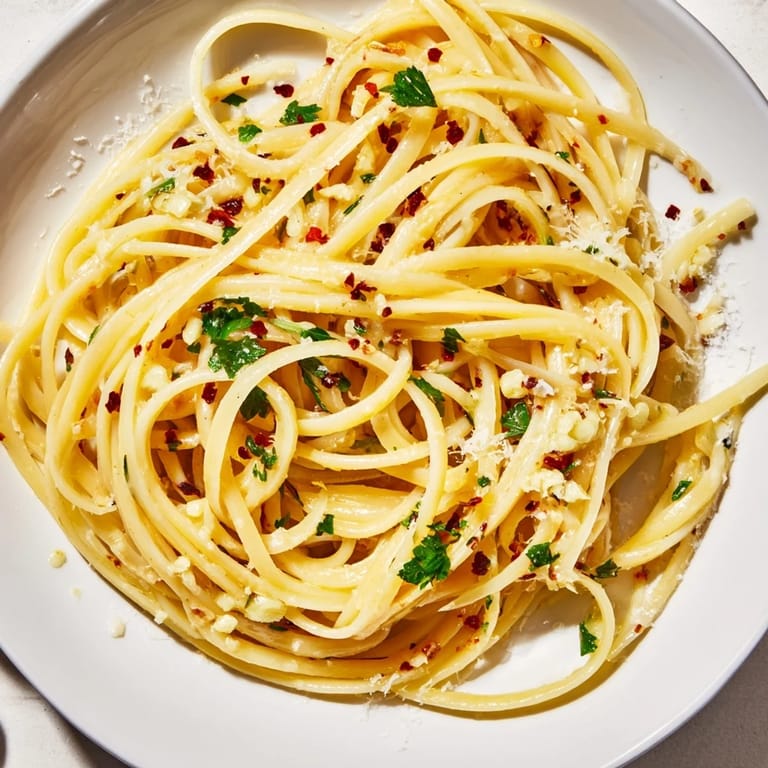
 This pasta reminds me that the best meals don't have to be complicated or intimidating, they just have to be made with attention and served with warmth. Once you've made it a few times, you won't need this recipe anymore because it will live in your hands and your instincts.
Recipe Questions & Answers
- → How do I prevent garlic from burning when sautéing?
Cook garlic over medium heat and watch carefully until fragrant. Avoid high heat to prevent bitterness from burning.
- → What’s the purpose of adding pasta water to the sauce?
Pasta water contains starch that helps emulsify the butter and garlic, creating a silky, smooth sauce that clings to the linguine.
- → Can I substitute Parmesan cheese for another topping?
Yes, nutritional yeast or vegan cheese can provide a similar savory note for those avoiding dairy.
- → Is crushed red pepper necessary for the dish?
Red pepper flakes add a subtle kick but are optional depending on your preferred spice level.
- → What variations can enhance this dish’s flavor?
Adding sautéed mushrooms, fresh spinach, or cooked shrimp can bring extra texture and depth.