 Save to Pinterest
 My neighbor handed me a steaming cup one November morning, its aroma so warm and nutty I almost didn't want to drink it. She explained it was hojicha, a Japanese roasted green tea, and watching her whisk the powder into a silky foam made me realize I'd been missing something essential in my morning routine. That cup became my reason to finally learn how to make this properly, and now I can't imagine winter without it.
Last winter, a friend came over exhausted from back-to-back meetings, and I made her this without asking. She sat at my kitchen counter while I whisked the powder, listening to the soft scrape of the bamboo whisk, and by the time I poured the milk, her shoulders had already dropped. She didn't say much, just cradled the mug, and I knew the recipe had done what it was supposed to do.
Ingredients
- Hojicha powder: This roasted green tea has a deeper, almost caramel-like flavor compared to regular matcha, and sifting it first prevents lumps that can ruin the silky texture.
- Hot water: Keep it around 80°C (175°F) rather than boiling, as too much heat can make the powder taste bitter and muddy.
- Milk: Any kind works, though oat milk creates the creamiest foam and dairy milk gives the richest body.
- Sweetener: Honey and maple syrup blend seamlessly, but taste as you go because everyone's preference is different.
Tired of Takeout? 🥡
Get 10 meals you can make faster than delivery arrives. Seriously.
One email. No spam. Unsubscribe anytime.
Instructions
- Sift the hojicha powder:
- Use a fine mesh sieve to break up any clumps hiding in the powder, which takes barely a minute but changes everything about the final texture.
- Whisk into froth:
- Pour the hot water over the sifted powder and whisk with steady circular motions until it's completely dissolved and the surface shows a thin layer of foam. A bamboo whisk (chasen) creates the most authentic result, but any whisk works fine.
- Steam the milk:
- Heat the milk in a saucepan over medium heat, watching for that moment when steam rises and tiny bubbles form around the edges, then use a frother or whisk to create a creamy layer of micro-foam on top.
- Divide and sweeten:
- Pour the hojicha into two mugs and stir in your sweetener while it's still hot so everything dissolves smoothly.
- Combine with care:
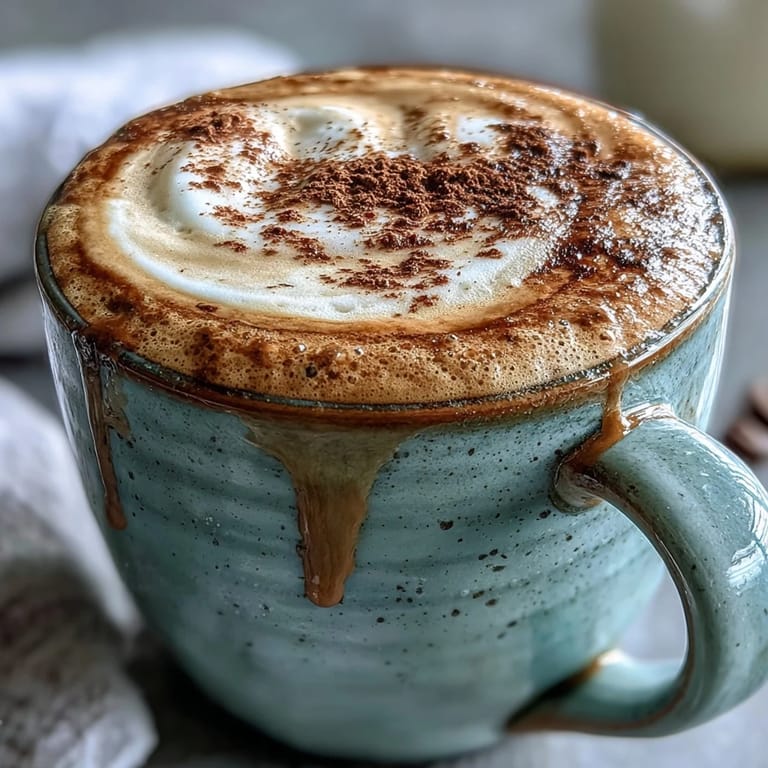
- Pour the steamed milk gently over the tea, holding back the foam with a spoon, then crown each mug with that silky foam layer.
- Serve immediately:
- The temperature and texture matter here, so drink while the warmth is still rising from the mug and the foam is still delicate.
 Save to Pinterest
 I served this to someone who said they didn't really like tea, and watching their skepticism turn into a quiet smile when they tasted it reminded me that sometimes the ritual of preparation matters as much as the flavor. There's something about standing at the stove, whisking, steaming, pouring with intention, that makes even a simple beverage feel ceremonial.
The Art of Whisking
The first time I tried whisking hojicha, I thought I was doing it wrong because it seemed too easy and took too short. But that gentle circular motion, where you're essentially incorporating air and dissolving powder at the same time, is exactly the point. It's not aggressive or hurried, it's thoughtful, and the foam you create is proof that you're paying attention.
Milk Selection Changes Everything
Dairy milk creates the richest, most velvety texture because of its fat content, but oat milk froths into something almost airy and light. Almond milk is thinner and works best when you want the hojicha flavor to shine through without competition. I've learned to keep a carton of whatever milk someone prefers, because the best cup is always the one made for them, not for a recipe.
Making It Your Own
Once you understand the basic balance of powder, water, milk, and sweetness, you can adjust freely based on mood and preference. Some mornings I want it stronger and less sweet, other afternoons I'm reaching for extra honey and a splash more milk. The beauty is that this recipe is flexible enough to become whatever you need it to be in that moment.
- Iced version works beautifully if you let the brewed hojicha cool first, then pour it over ice with cold milk.
- A pinch of sea salt can deepen the nutty flavor and reduce the need for added sweetener.
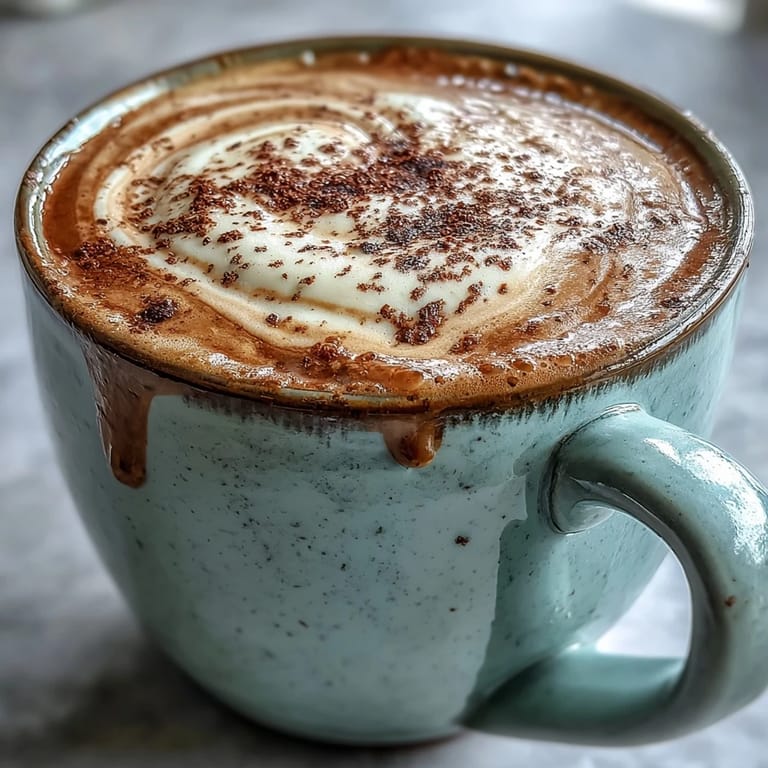
- Garnishing with a tiny sprinkle of hojicha powder on the foam adds both visual appeal and an extra layer of flavor.
 Save to Pinterest
 This drink has become my way of pausing, of saying yes to comfort on difficult days. Every time I make it, I'm grateful for that neighbor and her generosity.
Recipe Questions & Answers
- → What does hojicha taste like?
Hojicha has a distinctively warm, toasty flavor with earthy notes and subtle caramel undertones. The roasting process reduces bitterness and astringency, resulting in a smooth, comforting taste that's less grassy than regular green tea.
- → Is hojicha latte caffeinated?
Yes, but hojicha contains less caffeine than other green teas due to the roasting process. A typical hojicha latte has roughly 20-30 mg of caffeine per serving, making it a gentler option for afternoon or evening enjoyment.
- → Can I make hojicha latte without a bamboo whisk?
Absolutely. While a bamboo chasen creates beautiful foam, a small regular whisk or even a fork works well to dissolve the powder and create froth. For extra smooth milk texture, a milk frother or handheld immersion blender can help.
- → What's the best milk for hojicha latte?
Dairy milk creates a rich, creamy texture that complements the roasted tea notes beautifully. However, oat milk froths exceptionally well and adds natural sweetness, while almond milk provides a lighter, nuttier profile that harmonizes with hojicha's earthiness.
- → Can I make this iced?
Certainly. Brew the hojicha concentrate as directed, then allow it to cool completely. Pour over ice and add cold milk instead of steamed. The iced version highlights the refreshing aspects of hojicha while maintaining its comforting roasted character.
- → How do I store hojicha powder?
Keep hojicha powder in an airtight container away from light, heat, and moisture to preserve its roasted flavor. A cool pantry or cupboard works well. Properly stored, it maintains quality for 6-12 months, though freshest within 3-4 months of opening.