 Save to Pinterest
 There's something about the smell of hojicha that pulls me back to a quiet afternoon in a Tokyo café, watching steam rise from someone else's cup before I ever thought to make one myself. Years later, a friend casually mentioned mixing it with cold milk on a sweltering summer day, and suddenly I was in my kitchen experimenting with ratios and sweetness levels. That first sip—nutty, smooth, not too heavy—felt like I'd finally cracked something simple but important. Now whenever the heat kicks in, this is what I reach for.
I made this for my partner on a day when the air conditioning had broken, and watching their face shift from skeptical to genuinely relieved told me everything I needed to know about whether this recipe deserved a permanent spot in rotation. They asked for the measurements written down before they'd finished the glass, which felt like the highest compliment possible.
Ingredients
- Hojicha loose leaf tea or tea bags: The roasting process gives this tea a toasted, almost caramel-like depth that regular green tea can't match, and loose leaf usually steeps more evenly than bags.
- Hot water: Just below boiling matters here—if the water's too hot, the tea tastes bitter; too cool and it won't extract properly.
- Pure maple syrup: Real maple has a quieter sweetness that lets the tea's nutty character shine through, unlike refined sugar which can flatten the flavor.
- Vanilla extract: A small amount rounds everything out without making the drink taste like dessert.
- Milk of choice: Dairy, oat, soy, or almond all work; I've found oat milk creates the most luxurious texture, but use what you love.
- Ice cubes: Fresh ice melts cleaner than ice that's been sitting in the freezer absorbing odors.
Tired of Takeout? 🥡
Get 10 meals you can make faster than delivery arrives. Seriously.
One email. No spam. Unsubscribe anytime.
Instructions
- Brew the hojicha gently:
- Steep the tea leaves or bags in hot water (around 90°C or 195°F) for 3 to 4 minutes—you'll notice the water turning a rich amber color and the kitchen filling with that roasted, slightly sweet aroma. Don't rush this step or skip ahead; those extra minutes are where the flavor happens.
- Strain and sweeten while warm:
- Remove the tea leaves and stir in maple syrup and vanilla extract while the tea is still warm so everything dissolves smoothly and evenly. This is the moment where the drink comes together flavor-wise.
- Cool the tea down:
- Let it sit at room temperature for a few minutes, or pop it in the fridge if you're impatient like I am. Once it's cool, you can pour it over ice without the ice melting into a watered-down mess.
- Build the drink:
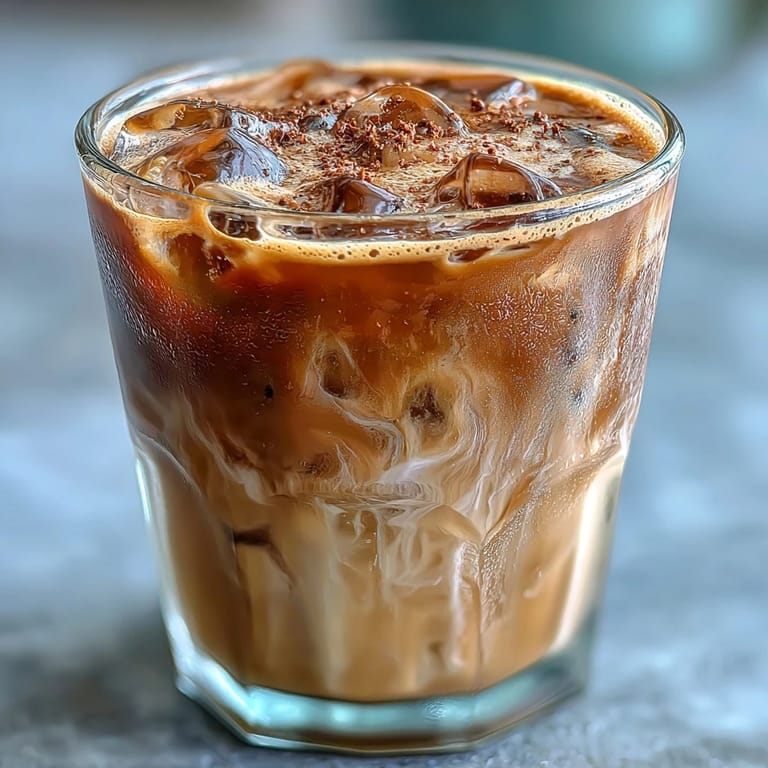
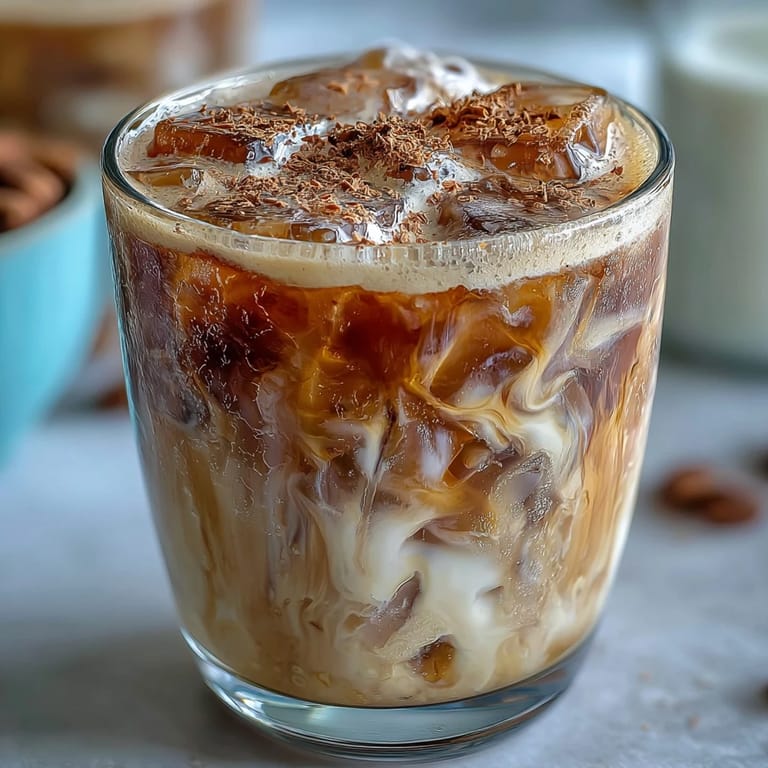
- Fill two glasses with fresh ice, pour the sweetened hojicha evenly, then top with milk and give it a gentle stir. That moment when the milk clouds through the tea is oddly satisfying to watch.
 Save to Pinterest
 I served this to my neighbor who'd just moved in from out of state, and she told me it tasted like someone had finally figured out how to make summer feel less hostile. We ended up sitting on the porch longer than either of us expected, talking about the kind of small rituals that actually matter on difficult days.
The Magic of Hojicha
Hojicha's roasting process creates flavors you simply can't get from regular green tea—there's a toasted nuttiness, almost like caramelized grain, that pairs beautifully with milk in a way that feels both unexpected and exactly right. Understanding this difference means you stop thinking of it as a substitute and start appreciating it as its own thing entirely.
Customizing for Your Taste
The first time you make this, follow the measurements exactly so you understand the baseline, then trust your instincts the second time around. Some people prefer their hojicha stronger and less sweet; others want the milk to be the main character and the tea just a supporting player.
Making It Work for Everyone
What makes this recipe genuinely useful is that it adapts without complaint—vegan guests, people avoiding caffeine, those who take their drinks impossibly cold, everyone can have a version that feels personal to them. The structure stays the same while everything else becomes flexible.
- Try frothing your milk before adding it for a café-style texture that makes the drink feel more intentional.
- A light sprinkle of hojicha powder on top or a cinnamon stick as a stirrer elevates the presentation without adding complexity.
- Keep your ice in a separate container if you're making this ahead, since ice absorbs freezer flavors over time.
 Save to Pinterest
 This drink has become one of those quiet everyday things that somehow feels special every single time. Make it once and you'll understand why.
Recipe Questions & Answers
- → What does hojicha taste like?
Hojicha has a distinctive nutty, toasty flavor with earthy undertones. Unlike other green teas, the roasting process reduces bitterness and creates a smooth, caramel-like profile that pairs beautifully with milk and sweeteners.
- → Can I make this drink ahead of time?
Yes, you can prepare the sweetened hojicha tea base in advance and store it in the refrigerator for up to 2-3 days. When ready to serve, simply pour over ice and add milk for a quick beverage.
- → Is hojicha caffeinated?
Hojicha contains less caffeine than other green teas due to the roasting process, with approximately 20-30mg per cup. This makes it a gentler option for those sensitive to caffeine while still providing a mild energy boost.
- → What milk works best for hojicha latte?
Whole dairy milk creates the creamiest texture, but oat milk offers an excellent plant-based alternative with natural sweetness. Soy and almond milk also work well, though they may produce a lighter consistency.
- → Can I use hojicha powder instead of leaves?
Yes, hojicha powder dissolves directly into hot water without straining. Use approximately 1 teaspoon of powder per cup of water, adjusting to taste. Powder creates a slightly stronger, more concentrated flavor.
- → How do I adjust the sweetness level?
Start with 2 teaspoons of maple syrup per serving and add more to taste. Honey, agave, or brown sugar make excellent alternatives. For a sugar-free version, stevia or monk fruit sweetener work well too.