 Save to Pinterest
 My sister called mid-Tuesday asking what to cook for her boyfriend's parents coming over, and I blurted out this maple soy salmon without thinking twice. Twenty minutes later, she texted back a photo of empty plates and the message 'they asked for the recipe.' That's when I knew this dish had something special—it looks elegant enough for company but tastes like comfort, and it comes together faster than most people expect.
I made this for the first time on a rainy Thursday when I'd promised to cook something impressive but had zero energy. The kitchen smelled incredible within ten minutes—that warm maple and ginger mixing with sizzling salmon—and suddenly I felt like I'd accomplished something real. My partner came home to the aroma before he even opened the door, and that's worth the effort right there.
Ingredients
- Salmon fillets (4, about 150g each): This is where quality matters because there's nowhere to hide; look for firm flesh with a gentle sheen, and skin-on keeps everything moist during cooking.
- Pure maple syrup (3 tbsp): Real maple syrup caramelizes beautifully and brings depth that honey can't quite match, though honestly both work.
- Low-sodium soy sauce (3 tbsp): Low-sodium lets the other flavors shine without oversalting your dinner at the end.
- Rice vinegar (1 tbsp): This adds a gentle tang that balances the sweetness, and it's milder than white vinegar so the glaze stays elegant.
- Fresh lime juice (1 tbsp): Bottled works in a pinch, but fresh lime brings brightness that makes the whole dish pop.
- Sesame oil (1 tsp): A little goes a long way here; it's the secret whisper at the end that says 'this is something special.'
- Garlic and ginger (2 cloves and 1 tsp): Fresh is non-negotiable; garlic powder would fade into the background, but fresh cloves and ginger root give you that warming, alive flavor.
- Jasmine or basmati rice (1 cup): Jasmine has a subtle sweetness that pairs beautifully with the glaze, and it stays fluffy if you don't skip the standing time.
- Broccoli, snap peas, bell pepper: Use whatever looks crisp at the market; the cooking time stays the same, and fresh vegetables are your insurance policy against boring.
- Green onions and sesame seeds: These aren't just garnish; they add texture and that final touch of 'I know what I'm doing' to the plate.
Tired of Takeout? 🥡
Get 10 meals you can make faster than delivery arrives. Seriously.
One email. No spam. Unsubscribe anytime.
Instructions
- Rinse and start the rice:
- Cold water rinses away excess starch so your rice stays separate and fluffy instead of turning into a sticky mass. Get the water boiling, add rice, then cover and step away—the most forgiving part of this entire meal.
- Whisk the glaze together:
- Combine maple syrup, soy sauce, rice vinegar, lime juice, sesame oil, minced garlic, and ginger in a small bowl. Taste it straight from a spoon; it should make your eyes light up a little.
- Season the salmon simply:
- Sear the salmon skin-side down:
- Heat oil in your skillet until it shimmers, then lay salmon down gently skin-side first if it has skin. Listen for the sizzle; that's the sound of a golden crust forming in those first three minutes.
- Flip and glaze:
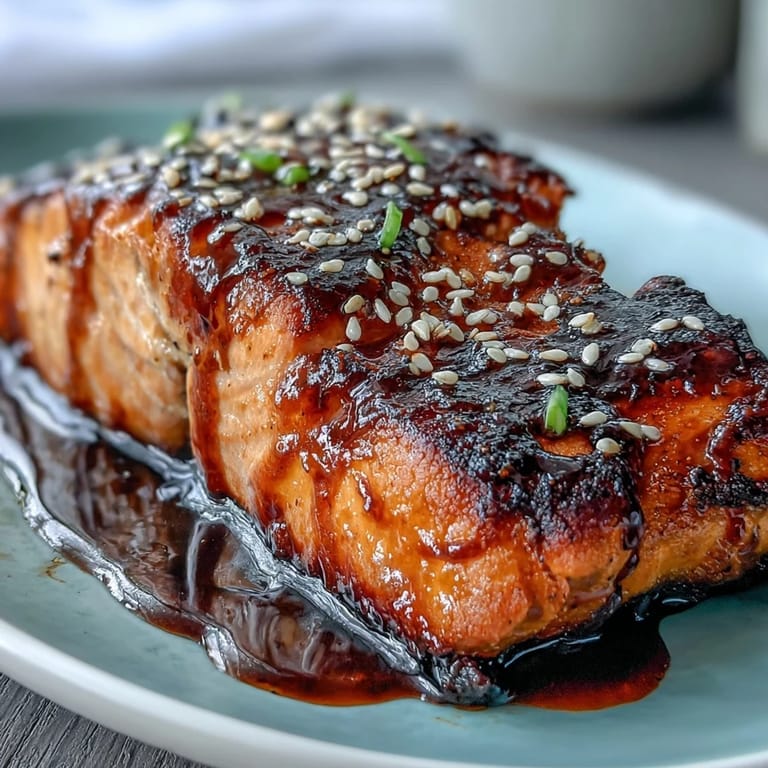
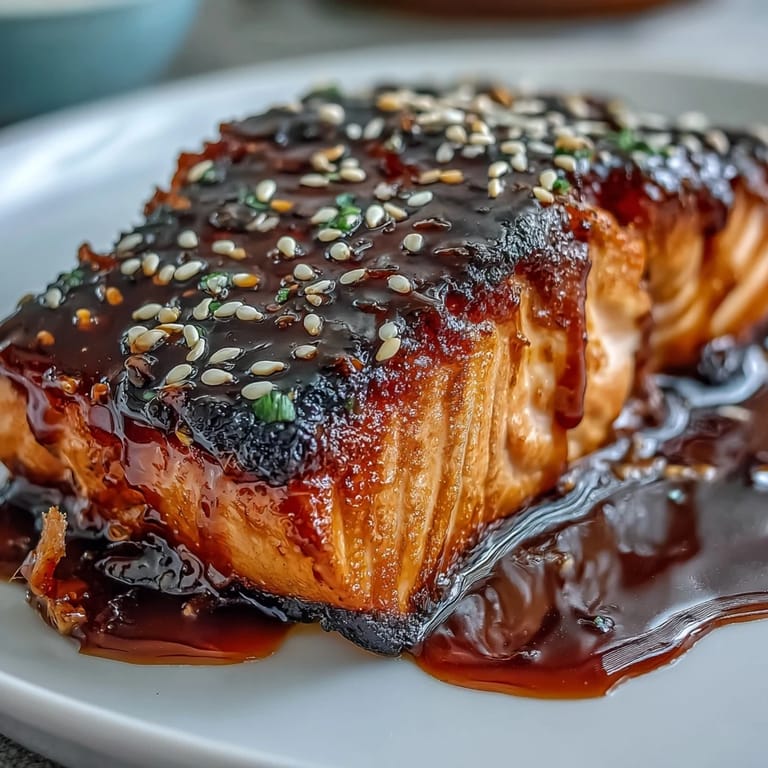
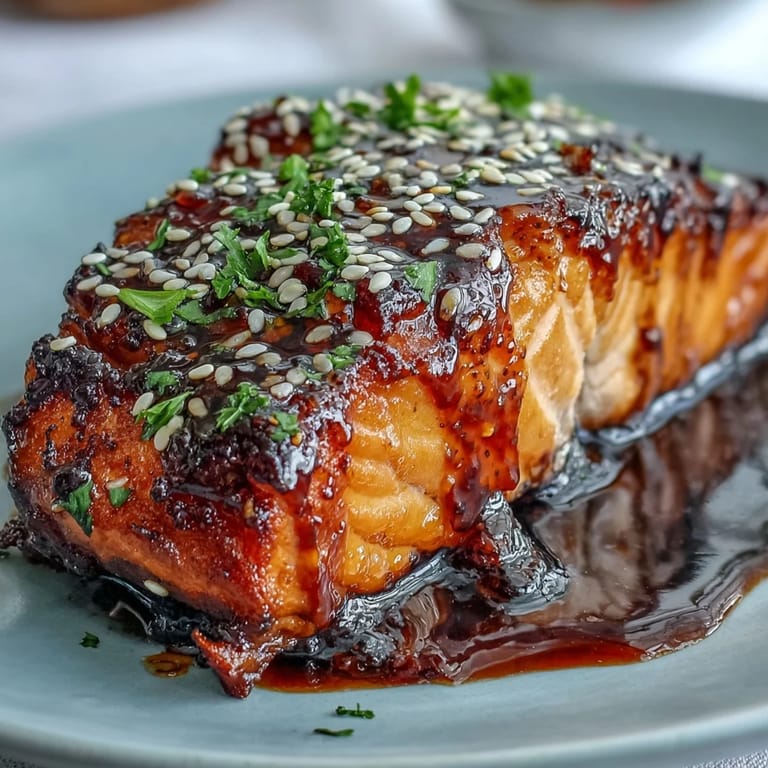
- Turn salmon over and immediately pour the glaze over top. As it cooks, spoon the glaze back over the fish every minute or so—this is where the magic happens, as the maple caramelizes and thickens into something glossy and irresistible.
- Cook vegetables while salmon finishes:
- In a separate pan, heat a touch of oil and add broccoli, snap peas, and bell pepper. They only need three to four minutes to stay crisp-tender; overcooked vegetables throw off the whole balance of the meal.
- Build the bowls:
- Start with warm rice as your base, pile vegetables on top, then place the glazed salmon on the side. This way everything gets its moment on the plate.
- Garnish generously:
- Scatter green onions and sesame seeds across the top, tuck lime wedges alongside, and drizzle any remaining glaze from the pan over everything. This last step transforms a good meal into something you'll actually remember.
 Save to Pinterest
 My dad, who usually picks at his vegetables, asked for seconds of this dish and ate nearly all the snap peas without complaining. That's the moment I realized this salmon transcends the usual category of 'healthy food' and becomes something people actually crave.
The Magic of Maple in Savory Cooking
There's something about pure maple syrup that transforms a glaze into liquid gold—it caramelizes rather than just sweetens, adding complexity that refined sugar can't touch. I learned this by accident when I tried using regular sugar once and the result tasted one-dimensional and flat. Now whenever someone asks why this glaze tastes different, it's because maple brings its own subtle molasses notes that deepen everything around it. Honey works if you're in a bind, but it won't quite give you that same richness or that beautiful burnished finish.
Why Fresh Ginger and Garlic Matter Here
Cooking this dish once with powdered ginger taught me a lesson I never forgot—fresh ginger root brings a sharp, almost peppery warmth that powder just cannot replicate. The same goes for garlic; fresh cloves provide a brightness and pungency that mellows beautifully as they cook into the glaze. Mincing them fine ensures they distribute evenly and cook through in the short time the glaze spends in the pan. This is not the recipe where you can cut corners and hope no one notices.
Making the Rice and Vegetables Work Together
The real secret to serving this meal feeling polished is timing everything to finish within a minute or two of each other. I used to cook vegetables first and they'd sit getting cold while I finished the salmon, which threw off the whole experience. Now I start the glaze going with the salmon already in the pan, then begin the vegetables—this staggered timing means everything comes together warm and fresh. Jasmine rice's subtle sweetness balances the savory glaze perfectly, and the crisp vegetables provide textural contrast that keeps the plate interesting.
- Rice continues cooking slightly after you remove it from heat, so pulling it off a minute or two early prevents mushy grains that fall apart on the plate.
- Crisp vegetables stay crisp only if you cook them hot and fast; low heat just steams them into submission.
- Taste the glaze before it touches the salmon so you know exactly what flavor you're working with and can adjust if needed.
 Save to Pinterest
 This salmon has become my go-to meal when I want to feel accomplished without spending the evening in the kitchen. It's the kind of dish that makes people ask for the recipe, and when they do, you get to smile knowing it's actually easier than it sounds.
Recipe Questions & Answers
- → Can I use frozen salmon fillets?
Yes, frozen salmon works well. Thaw completely in the refrigerator overnight, then pat dry before cooking to ensure proper searing and glaze adhesion.
- → What vegetables can I substitute?
Asparagus, carrots, snow peas, or bok choy make excellent alternatives. Choose quick-cooking vegetables that maintain crisp-tender texture when steamed or sautéed.
- → Can I make the glaze ahead of time?
Absolutely. Whisk the glaze ingredients together and store in an airtight container in the refrigerator for up to 1 week. Bring to room temperature before using.
- → Is this dish suitable for meal prep?
Yes, it reheats beautifully. Store salmon, rice, and vegetables separately in airtight containers for up to 3 days. Reheat gently to maintain the fish's texture.
- → Can I grill instead of pan-sear?
Certainly. Brush the glaze on during the last 2 minutes of grilling to prevent burning. The smoky char from grilling complements the sweet-savory flavors wonderfully.
- → How do I know when salmon is done?
The salmon is ready when it flakes easily with a fork and reaches an internal temperature of 145°F. The flesh should turn opaque and slightly pink throughout.