 Save to Pinterest
 One of those nights when my roommate came home with instant ramen and we were both starving—I remember standing at the stove thinking there had to be something better than the sad flavor packet. I started digging through the cabinet, grabbed the peanut butter jar, and mixed it with whatever sauces I could find. The transformation was instant, and suddenly we had something that tasted like real Thai takeout, except we'd made it in under ten minutes.
I made this for my friend who was skeptical about instant noodles until she took one bite and asked for the recipe immediately. There's something about that moment when someone's expectations shift, when they realize humble ingredients can become something special with just a little intention.
Ingredients
- Instant ramen noodles: Two packs give you enough for two proper bowls, and ditching those flavor packets is the whole point here.
- Creamy peanut butter: This is your sauce base, so pick one you actually like eating—the creamier it is, the easier it whisks together.
- Soy sauce: The umami anchor that makes everything taste deeper and more intentional.
- Chili crisp: This brings heat and texture; start with less and add more if you like serious spice.
- Rice vinegar: A touch of brightness that keeps the sauce from feeling heavy.
- Honey or maple syrup: Just enough sweetness to balance the salty and spicy notes without being obvious about it.
- Toasted sesame oil: A small amount goes a long way—it's what makes this taste authentically Thai-inspired rather than just peanutty.
- Garlic clove: Minced fine so it distributes throughout the sauce instead of hitting you in chunks.
- Hot water: Reserved noodle water works best because it already has starch, which helps the sauce cling to the noodles.
Tired of Takeout? 🥡
Get 10 meals you can make faster than delivery arrives. Seriously.
One email. No spam. Unsubscribe anytime.
Instructions
- Cook the noodles with intention:
- Boil water, add the noodles, and cook until just tender—not mushy. Save that cooking water in a cup before you drain; the starch in it is a secret weapon for making the sauce silky.
- Build your sauce:
- In a bowl, whisk the peanut butter with everything except the water first, so you get a smooth paste before thinning it. Add the hot water one tablespoon at a time, whisking until you have something that coats a spoon but still flows.
- Marry the noodles and sauce:
- Toss the warm noodles directly into the sauce bowl and mix until every strand is coated and glistening. If it feels thick, add another splash of water.
- Finish like you mean it:
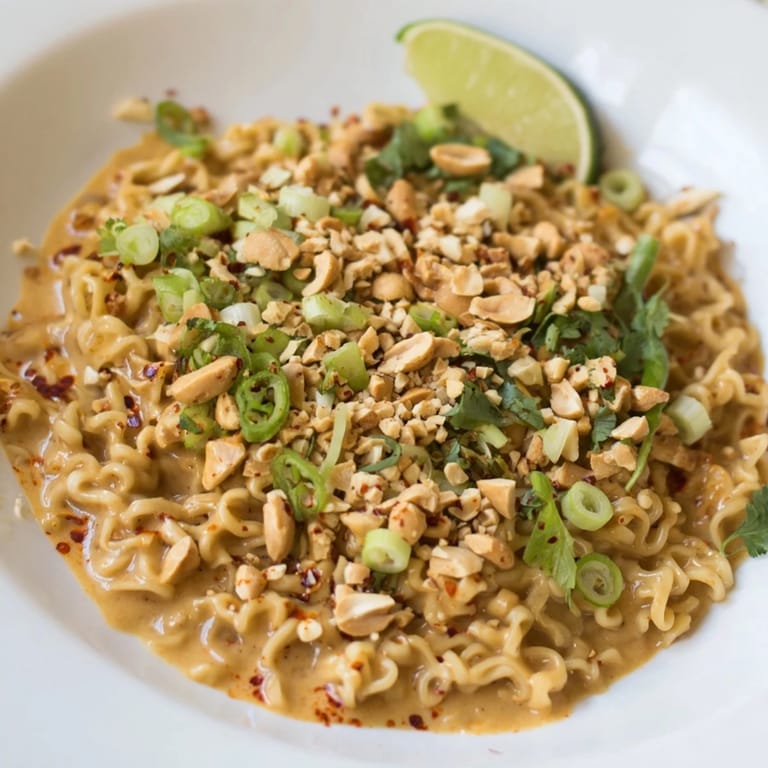
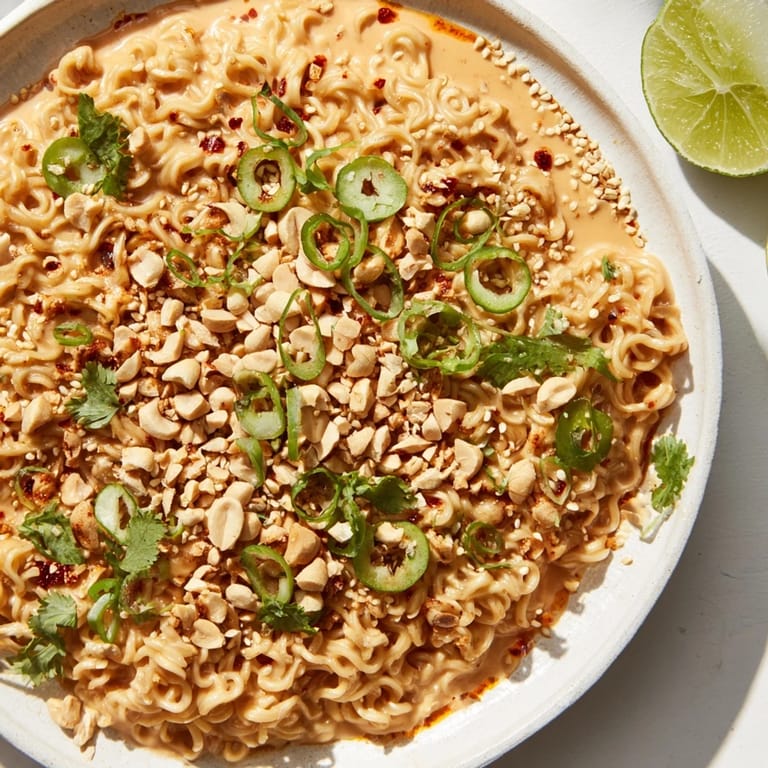
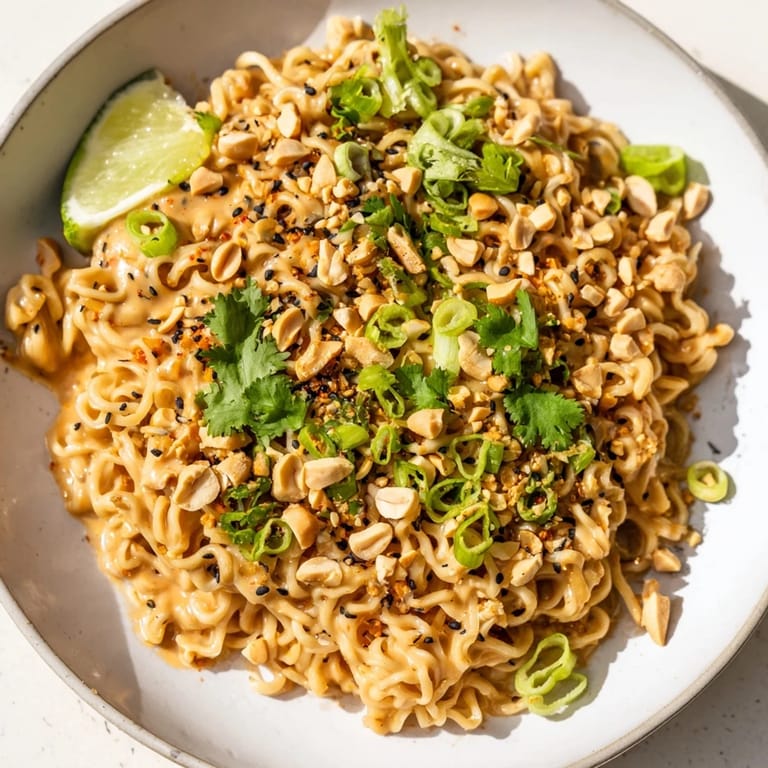
- Divide between bowls and scatter the toppings over the top—they're not just garnish, they add crunch and freshness that complete the dish.
 Save to Pinterest
 This became the dish I made when friends visited unexpectedly and I had nothing fancy in the house—and somehow it always impressed them more than when I tried harder. There's honesty in food this simple, and people taste that.
The Secret Is in Your Sauce Ratio
Every time I've adjusted this recipe, it's been because of the sauce balance. Too much peanut butter and it becomes heavy; too much soy sauce and it's salty and one-note. The honey is what surprises people—they never guess it's in there, but without it, the sauce tastes flat and one-dimensional. The sesame oil is your restraint button; you only need two teaspoons because it's powerful, and adding more makes everything taste muddy instead of Thai.
Why Reserved Noodle Water Actually Matters
Most people pour that starchy water down the drain and reach for hot tap water instead, which is why their sauce either pools at the bottom or doesn't cling properly. The starch from the noodles acts like a binder, letting the sauce coat everything evenly and actually stay on the noodles instead of sliding off. If you forget to save it, tap water still works, but you'll notice the difference immediately.
Make It Yours
This recipe is a starting point, not a rule book. I've made it with almond butter when I didn't have peanut butter, added a fried egg on top when I wanted protein, and once threw in some quick-sautéed vegetables because I was pretending to eat healthy. The core sauce formula stays reliable, but everything else is negotiable.
- A soft-boiled egg, halved and nestled into the noodles, turns this into a more substantial meal.
- Stir-fry some vegetables separately and toss them in if you want more texture and nutrition.
- Drizzle extra chili crisp on top right before eating if you like the heat to build as you go.
 Save to Pinterest
 This is the kind of cooking that reminds you that the best meals don't require effort or expense, just a little attention to what you're doing. Once you've made this once, you'll find yourself craving it on nights when you don't have the energy to think.
Recipe Questions & Answers
- → Can I make this dish gluten-free?
Yes, substitute traditional noodles with gluten-free ones and replace soy sauce with tamari to keep it gluten-free.
- → How can I adjust the spice level?
Modify the amount of chili crisp in the sauce to suit your preferred heat intensity.
- → What are good protein additions?
Pan-seared tofu, grilled chicken, or a soft-boiled egg can be added for extra protein.
- → Can I use other nut butters in the sauce?
Yes, almond or sunflower seed butter work well for a nut-free or alternative flavor option.
- → What toppings enhance the dish?
Fresh scallions, roasted peanuts, sesame seeds, cilantro, and lime wedges provide texture and brightness.