 Save to Pinterest
 I stumbled on this orzo dish one rainy Tuesday when I had nothing but pantry staples and a bag of frozen peas. The creaminess crept up on me as I stirred, and by the time I tasted it, I'd forgotten I was cooking something simple. It felt indulgent without any fuss. Now it's my go-to when I need comfort in under half an hour.
I made this for my sister when she came over exhausted from work, and she scraped the pan clean before I could even pack leftovers. She kept asking what made it taste so good, and I told her it was just butter, cream, and not overthinking it. Sometimes the simplest things hit hardest. We sat at the counter and talked until the dishes went cold.
Ingredients
- Orzo pasta: These tiny grains cook fast and soak up every bit of the creamy sauce, so use a good brand that holds its shape.
- Unsalted butter: It adds richness and helps toast the orzo without making the dish too salty later.
- Heavy cream: This is what turns the sauce luxurious, so don't skimp or swap it out unless you're okay with a thinner result.
- Freshly grated Parmesan cheese: Pre-grated stuff doesn't melt the same way, so grab a block and grate it yourself for a smoother sauce.
- Low-sodium vegetable broth: It gives the orzo flavor as it cooks without overpowering the cheese.
- Whole milk: It thins the broth just enough so the orzo doesn't stick or dry out.
- Frozen green peas, thawed: They add sweetness and a pop of color, and frozen ones are already tender.
- Shallot, finely chopped: Milder than onion, it gives a subtle sweetness that doesn't compete with the Parmesan.
- Garlic, minced: Just two cloves add warmth without taking over the dish.
- Salt, black pepper, and nutmeg: Salt and pepper are essential, and a tiny bit of nutmeg makes the cream taste deeper.
- Fresh parsley: A sprinkle at the end brightens everything and makes it look like you tried harder than you did.
Tired of Takeout? 🥡
Get 10 meals you can make faster than delivery arrives. Seriously.
One email. No spam. Unsubscribe anytime.
Instructions
- Soften the shallot:
- Melt the butter in a large skillet over medium heat, then add the shallot and let it cook until it turns soft and fragrant, about 2 to 3 minutes. Don't rush this part, it builds the base flavor.
- Wake up the garlic:
- Stir in the garlic and cook for just 30 seconds until you can smell it. Any longer and it turns bitter.
- Toast the orzo:
- Add the orzo and stir it around for a minute or two until some grains turn golden. This adds a nutty depth you won't get if you skip it.
- Simmer with broth and milk:
- Pour in the vegetable broth and milk, then bring everything to a gentle simmer. Lower the heat and cook uncovered, stirring often, for 8 to 10 minutes until the orzo is al dente and most of the liquid is gone.
- Fold in the peas:
- Stir in the thawed peas and let them heat through for 2 to 3 minutes. They'll brighten up and add little bursts of sweetness.
- Make it creamy:
- Add the heavy cream, Parmesan, salt, pepper, and nutmeg if using, then stir until the cheese melts and the sauce turns glossy. This takes about 2 to 3 minutes, and you'll see it come together.
- Finish and taste:
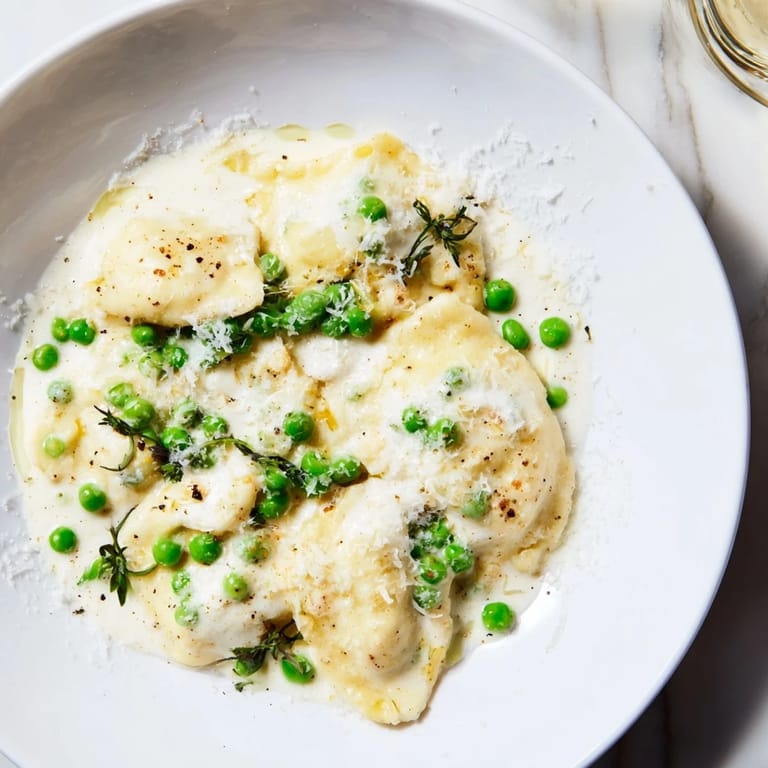
- Pull the pan off the heat, taste it, and add more salt or pepper if you think it needs it. Top with chopped parsley and serve while it's still steaming.
 Save to Pinterest
 This dish became my quiet celebration meal, the one I make when I finish a long project or just need to feel taken care of. It doesn't ask much of you, but it gives back warmth and satisfaction. There's something about the way the Parmesan clings to the orzo that feels like a hug in a bowl.
How to Store and Reheat
Leftovers keep in an airtight container in the fridge for up to three days, though the sauce thickens as it cools. When you reheat it, add a splash of milk or broth and warm it gently on the stove, stirring until it loosens up again. The microwave works too, but stir halfway through and add liquid so it doesn't dry out.
Ways to Switch It Up
If you want more vegetables, toss in baby spinach or blanched asparagus tips at the same time as the peas. A squeeze of lemon juice or a splash of white wine before adding the cream lifts the richness and makes it feel brighter. For a lighter version, swap the heavy cream for half-and-half, though the sauce won't be quite as thick.
Serving Suggestions
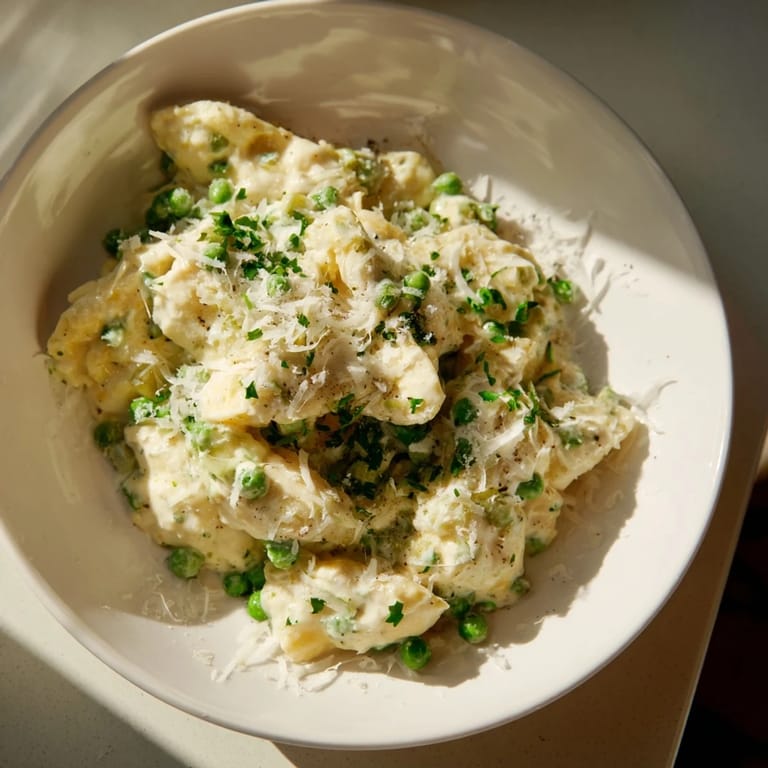
This works beautifully as a vegetarian main with a simple green salad and crusty bread on the side. If you're serving it alongside protein, grilled chicken, seared salmon, or roasted shrimp all pair well without competing for attention. It's also the kind of side dish that makes weeknight dinners feel a little more special without extra effort.
- Serve it in shallow bowls so the creaminess shows off.
- Pair it with a crisp white wine like Pinot Grigio or Sauvignon Blanc.
- Double the recipe if you're feeding a crowd, it scales up easily in a big skillet.
 Save to Pinterest
 This orzo has become my answer to busy nights and lazy weekends alike. It's proof that you don't need a long ingredient list or hours in the kitchen to feel like you've made something worth savoring.
Recipe Questions & Answers
- → How do I prevent the orzo from sticking during cooking?
Toast the orzo lightly in butter before adding liquids and stir frequently while simmering to prevent sticking.
- → Can I substitute frozen peas with fresh peas?
Yes, fresh peas can be used; add them near the end of cooking to keep their texture and sweetness intact.
- → What is the best way to achieve a creamy texture?
Simmer the orzo with broth and milk until most liquid is absorbed, then stir in cream and Parmesan until smooth.
- → Can this dish be made dairy-free?
Use plant-based milk and a dairy-free cheese alternative to maintain creamy consistency without dairy.
- → What are good garnish options besides parsley?
Chopped chives, basil leaves, or a light drizzle of olive oil complement the flavors well.