 Save to Pinterest
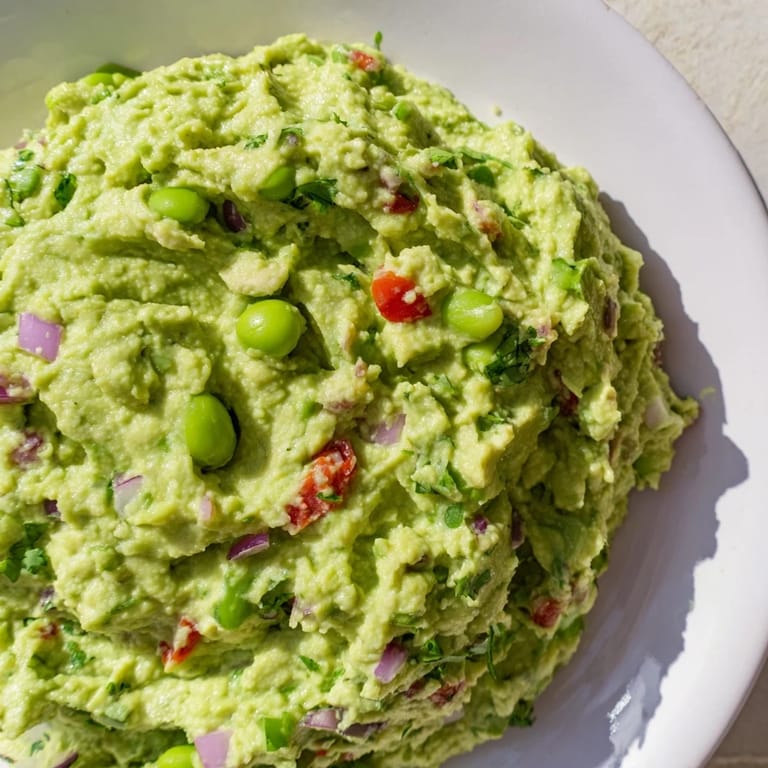
 I discovered edamame guacamole by accident on a weeknight when I was craving guac but only had frozen edamame in my freezer. What started as improvisation became an instant favorite—it's creamier, greener, and packed with more protein than traditional guacamole. The first bite felt like a small victory in the kitchen, proof that the best recipes sometimes come from working with what you have on hand.
I made this for a game night last summer, and my friends kept asking what made it so different. When I told them about the edamame, there was this moment of skepticism followed by silence—the good kind, the kind that means everyone's too busy eating to talk. That bowl disappeared in minutes, and I've been making it ever since.
Ingredients
- Shelled edamame (1 cup, fresh or frozen): This is your secret weapon for creaminess and protein. Frozen works perfectly and saves you time—just thaw or cook from frozen, and you're set.
- Ripe avocado (1): Choose one that yields slightly to pressure but isn't mushy. The avocado adds traditional guac richness while the edamame does the heavy lifting.
- Jalapeño (1 small, seeded and finely chopped): Seed it for mild heat, or leave seeds in if you like a kick. Fresh is always better than jarred here.
- Tomato (1 small, diced): Use a ripe, in-season tomato if you can—the difference is real. Dice it small so it distributes evenly and adds bright bursts of flavor.
- Red onion (1/4 cup, finely chopped): The sharpness balances the creaminess beautifully. Don't skip this; it's quietly essential.
- Fresh cilantro (2 tablespoons, chopped): This herb lifts the whole dish. If you're cilantro-averse, use parsley or just leave it out—no judgment here.
- Lime juice (2 tablespoons, about 1 lime): Fresh lime is non-negotiable. It keeps the dip bright and prevents browning. Bottle juice tastes flat in comparison.
- Sea salt (1/2 teaspoon) and black pepper: Start conservative and taste as you go. You can always add more, never less.
- Ground cumin (1/4 teaspoon, optional): A whisper of cumin adds warmth without overwhelming. Skip it if warm spices aren't your thing.
Tired of Takeout? 🥡
Get 10 meals you can make faster than delivery arrives. Seriously.
One email. No spam. Unsubscribe anytime.
Instructions
- Cook the edamame:
- Bring a pot of water to a rolling boil and add the edamame. If frozen, boil for 5 minutes; if fresh and raw, aim for 4-5 minutes until tender. Drain in a colander and rinse under cold water to stop the cooking—you want them soft but not mushy.
- Pulse to creamy:
- Add the cooled edamame to your food processor and pulse until mostly smooth with a few small pieces still visible. This takes about 30 seconds. Don't over-blend; you're looking for the texture of chunky peanut butter, not baby food.
- Add the richness:
- Scoop in the avocado, squeeze in your lime juice, and add salt, cumin, and pepper. Pulse again until the mixture is creamy with some texture still showing through—this is what separates it from a paste.
- Fold in the fresh stuff:
- Transfer your blend to a bowl. Using a spatula or wooden spoon, gently fold in the jalapeño, tomato, red onion, and cilantro. This folding step preserves some texture and feels more intentional than mixing it all in the processor.
- Taste and adjust:
- Take a chip or a spoon and taste. Salt and lime are your friends here—a squeeze more lime brightens everything, a pinch more salt deepens the flavors. Trust your palate.
- Serve it up:
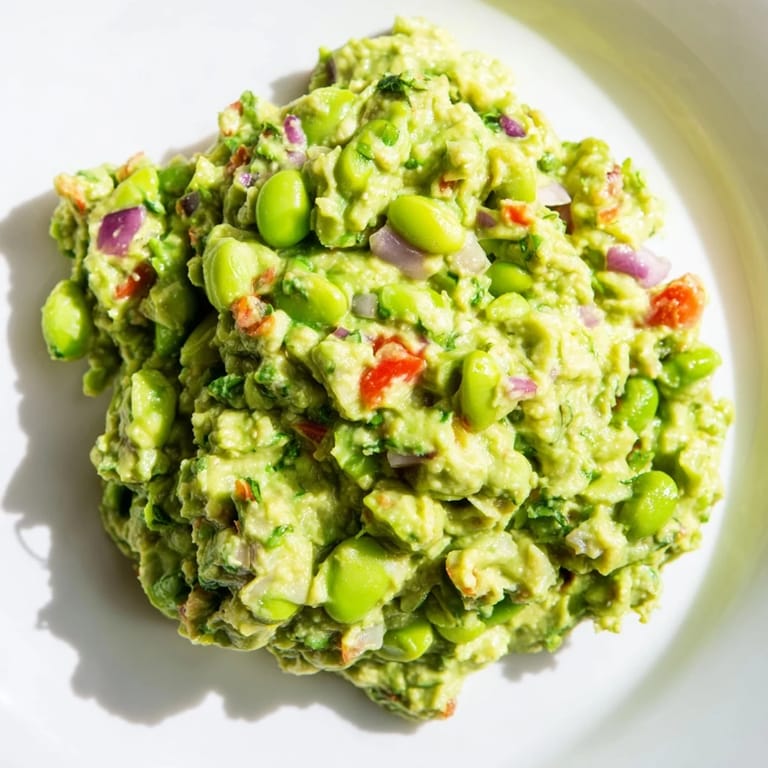
- Transfer to your prettiest bowl, garnish with extra cilantro and lime wedges, and serve right away while it's fresh and vibrant.
 Save to Pinterest
 The best part about this dip isn't just how it tastes—it's that moment when someone who's been skeptical about edamame suddenly gets it. I watched my mom take a spoonful expecting to hate it, and her face completely changed. Food that surprises people in a good way, that breaks their expectations gently, is food worth making again.
Flavor Balance Matters
The magic here is the interplay between creamy, bright, and spicy. The edamame and avocado give you smooth richness, while lime juice and cilantro provide freshness that cuts through. Jalapeño adds a gentle heat that builds as you eat. If your first batch tastes flat, it's almost always because you need more lime juice or salt—not more ingredients, just more of what's already there. Taste as you layer things in and adjust confidently.
Timing and Storage
This dip is best served fresh, ideally within an hour of making it. If you're preparing ahead, cook and process the edamame and avocado base, then add the fresh ingredients and lime juice just before serving. The dip keeps covered in the fridge for up to two days, though it's most vibrant on day one. The tomato and onion will soften over time, which some people love and others find less appealing.
Mix-Ins and Swaps
This recipe is endlessly forgiving and happy to take suggestions. I've stirred in everything from charred corn to crumbled cotija cheese, diced mango for sweetness, or crispy roasted chickpeas for extra crunch. Swap the red onion for scallions if you prefer a gentler allium flavor, or add a tiny pinch of smoked paprika if you want a subtle campfire note. The foundation is solid; play around and make it yours.
- Fresh corn kernels add sweetness and fun texture—stir in about 1/3 cup raw or lightly charred.
- A squeeze of hot sauce or a pinch of cayenne pepper elevates the heat if you want more kick.
- Leftover roasted vegetables like charred peppers or crispy shallots make excellent unexpected additions.
 Save to Pinterest
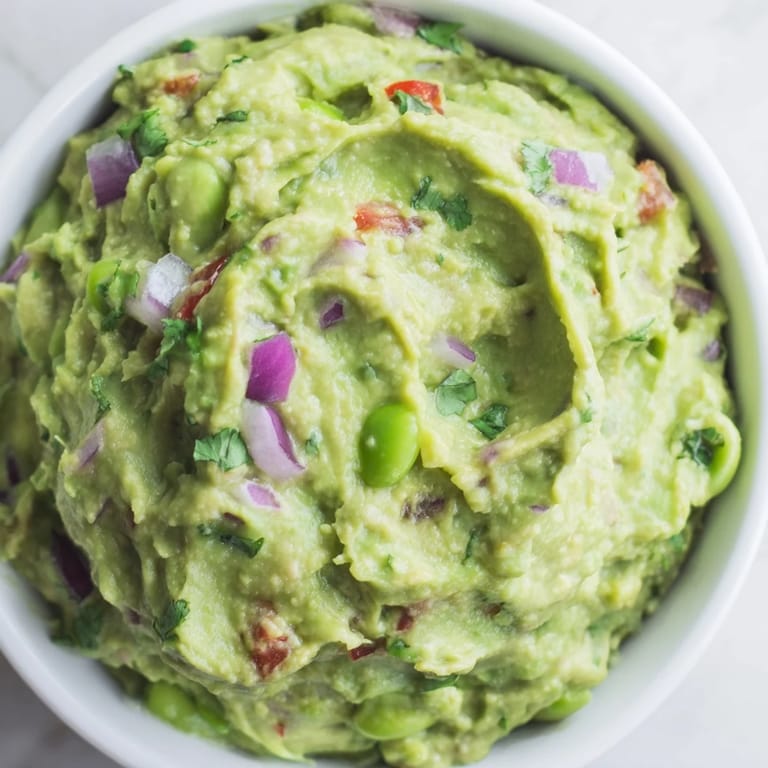
 Edamame guacamole is the kind of recipe that feels like a small rebellion against doing things the traditional way. It's green, it's good for you, and it tastes like someone who cares made it just for you.