 Save to Pinterest
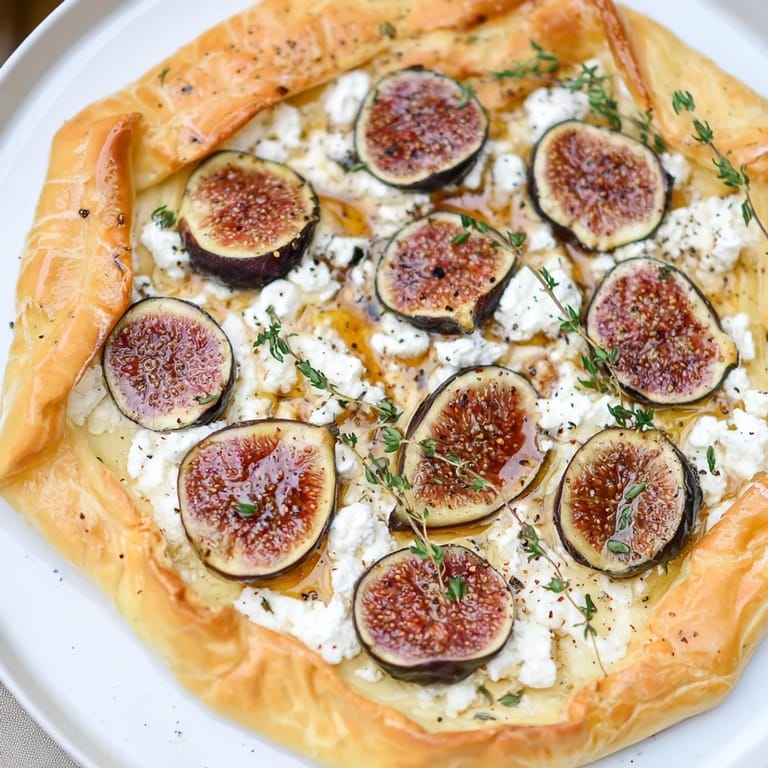
 The first time I made this, I was frantically prepping for a dinner party and realized I had exactly ten minutes before guests arrived. I grabbed a sheet of puff pastry from the freezer, some figs that had been sitting on my counter, and that fancy bottle of truffle oil I'd been saving for something special. What emerged from the oven was so stunning—golden, fragrant, elegant—that I almost forgot to plate it before everyone walked in. That night taught me that sometimes the simplest combinations, done with intention, can feel genuinely luxurious.
I remember my friend Sarah taking one bite and closing her eyes—not in that theatrical way, but genuinely just pausing to taste it. She asked what restaurant I'd stolen it from, and I felt that small proud moment of knowing I'd nailed something beautiful and unexpected. It became the appetizer everyone requested after that, and somehow it went from panic cooking to the dish I'm known for.
Ingredients
- Puff pastry (1 sheet, about 250 g): Make sure it's properly thawed so it bakes evenly and puffs magnificently—rushing this step means you miss out on that beautiful rise and flakiness.
- Fresh figs (4–5 sliced): They should be ripe but still firm enough to slice cleanly; if they're mushy, they'll disappear into the pastry.
- Goat cheese (120 g, crumbled): The tangy notes cut through richness perfectly, and crumbling it by hand (rather than using a food processor) keeps the texture pleasant and chunky.
- Truffle oil (1 tbsp, divided): This is your secret weapon, so don't skip it or use that imitation stuff—real truffle oil is worth every penny here.
- Honey (2 tbsp): Drizzle it warm from the jar for the most seamless finish; cold honey is stubborn and clumpy.
- Fresh thyme (1 tbsp, optional but encouraged): It adds an earthy sophistication that makes people wonder what your secret ingredient is.
- Olive oil (1 tbsp): This protects the pastry from browning too quickly and gives it a gentle sheen.
- Sea salt and black pepper: Don't underseasoning—these two are what tie all the sweet and savory moments together.
Tired of Takeout? 🥡
Get 10 meals you can make faster than delivery arrives. Seriously.
One email. No spam. Unsubscribe anytime.
Instructions
- Start with heat and preparation:
- Preheat your oven to 200°C (400°F) and line your baking sheet with parchment paper—this prevents sticking and makes cleanup feel like a gift to your future self. Room temperature is important here because you want the pastry responsive and ready to puff.
- Score and shape your canvas:
- Unroll the puff pastry directly onto the prepared sheet and use a sharp knife to score a 1 cm border around all the edges—don't cut all the way through, just enough to create a gentle outline. This border puffs up into a beautiful frame while the inside stays flat for toppings.
- Oil the foundation:
- Brush olive oil over everything except that border you just created; this is what gives the pastry its color and helps it crisp up in the oven. Be gentle and thorough so every inch gets that protection.
- Arrange the figs with intention:
- Distribute your fig slices evenly across the oiled pastry, leaving that border completely clear. They'll shrink slightly as they bake, so spacing them generously means they stay distinct rather than clustering together.
- Layer the cheese and herbs:
- Scatter the crumbled goat cheese over the figs, then sprinkle thyme leaves if you're using them. The cheese will soften and create pockets of creaminess throughout the baked pastry.
- Add the first hit of truffle:
- Drizzle half your truffle oil over the toppings, then season with sea salt and black pepper to your taste. This first drizzle infuses during baking, while the second one stays fresh and fragrant.
- Bake until golden:
- Slide everything into the oven for 18–20 minutes, watching until the pastry turns deep golden and puffs proudly around the edges. You'll smell the truffle and caramelizing figs before it's done.
- Finish with warmth and honey:
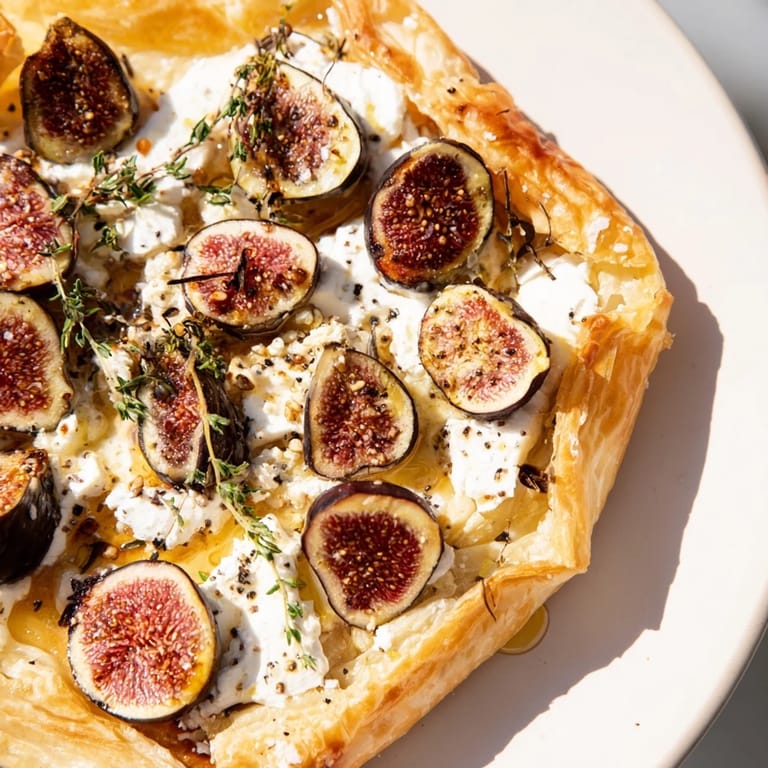
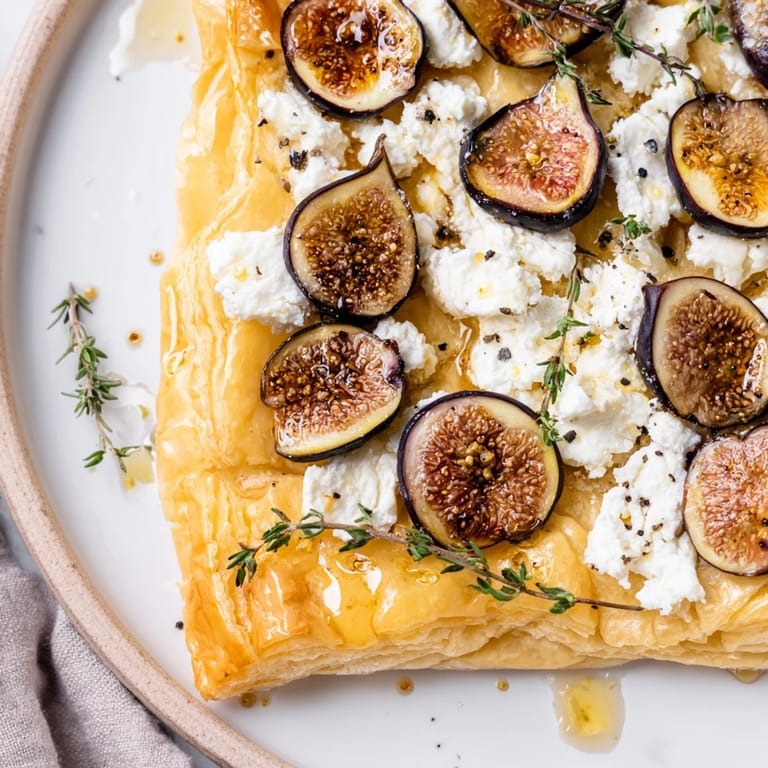
- Remove from the oven and immediately drizzle the remaining truffle oil and honey over the top while it's still warm—this is when the honey flows like silk and the oil perfumes everything. Cut into portions and serve right away while the contrast between warm pastry and cool cheese is still magic.
 Save to Pinterest
 There's something about serving something hot and beautiful straight from the oven that shifts a meal from regular to memorable. I've watched people's faces as they bite through that crisp pastry and find the warm cheese and sweet-tart figs waiting—it's the moment they realize you actually do know what you're doing in the kitchen.
When Simplicity Becomes Sophistication
This recipe proves you don't need complicated techniques or exotic ingredients to feel like you're cooking at a level worth respect. Most of what makes this sing comes from choosing each element with care and respecting the oven's timing. A thawed sheet of puff pastry and honest toppings, done without overthinking, somehow lands exactly where you want it to.
Variations Worth Exploring
The structure here is flexible enough that you can play with it depending on what you have or what mood you're chasing. I've swapped the figs for fresh pears, tried adding crispy prosciutto for a salty contrast, and even used a combination of cheeses when I didn't have quite enough goat cheese. Each version works because the truffle oil and honey are doing the real work, tying everything into something that feels deliberate and delicious.
Serving and Storage Wisdom
This is genuinely best served within minutes of coming out of the oven—the pastry stays that perfect balance of crispy and tender, and everything tastes fresher and warmer. If you need to make it ahead, you can prep everything except baking, keep it covered in the fridge for a few hours, and bake when guests are about to arrive. Leftovers are edible cold the next day, but honestly, they never last that long in my house.
- Cut with a sharp serrated knife to avoid squishing the delicate pastry.
- If serving at a party, cut into smaller squares and watch people's expressions shift from hunger to delight.
- Pair with something crisp—Sauvignon Blanc, prosecco, or even sparkling water with fresh mint if you're skipping wine.
 Save to Pinterest
 This dish reminds me that sometimes the best meals come from working with what you have and choosing quality over quantity. It's taught me that entertaining doesn't require hours of labor—just honesty, good ingredients, and the confidence to let them speak for themselves.
Recipe Questions & Answers
- → What type of pastry is best for this dish?
A thawed sheet of puff pastry is ideal as it bakes into a light, flaky base that holds the toppings well.
- → Can I substitute goat cheese with another cheese?
Yes, blue cheese can be used for a stronger flavor, or a mild cheese like ricotta for a creamier texture.
- → How does truffle oil affect the flavor?
Truffle oil adds an earthy, aromatic richness that complements the sweetness of figs and the tanginess of goat cheese.
- → Is it necessary to brush olive oil on the pastry?
Brushing olive oil helps create a golden crust and prevents sogginess beneath the toppings.
- → Can I add nuts to this dish?
Yes, adding chopped walnuts before baking adds a pleasant crunch and complements the flavor profile.